- Understanding the Importance of Construction Safety Training
- Key Components of Effective Construction Safety Training
- Implementing Successful Safety Training Programs
- Best Practices for Sustaining Safety Awareness
- Evaluating the Impact of Construction Safety Training
- FAQs About Construction Safety Training
Understanding the Importance of Construction Safety Training
In the construction industry, the phrase “safety first” is not just a catchphrase; it is a fundamental principle that can save lives and reduce workplace injuries. With construction often ranked among the most hazardous professions, the importance of comprehensive construction safety training cannot be overstated. This training empowers workers with the knowledge and skills needed to recognize potential hazards and implement safety measures effectively.
Why Safety Training Is Essential
Effective safety training builds a culture of safety where every worker understands their role in maintaining a safe workplace. The aim is not merely to comply with regulations, but to foster an environment where safety is prioritized. A robust safety training program has numerous benefits, including:
- Reduction in accidents and injuries, leading to fewer workers’ compensation claims.
- Increased productivity as workers become more confident and competent.
- Improved employee morale and retention by showing that their safety is a priority.
Common Hazards in Construction
Construction sites are rife with potential hazards. Understanding these is crucial for implementing effective safety measures. Common hazards include:
- Falls: Thirteen percent of construction worker fatalities are caused by falls from height, often due to improper use of ladders, scaffolding, or harnesses.
- Electrical Hazards: Live wires and electrocution risks are prevalent, necessitating awareness and safety protocols.
- Caught-in/between Hazards: Construction workers often face risks from machinery or collapsing structures.
- Respiratory hazards: Dust, fumes, and chemicals can pose long-term health threats if proper precautions are not taken.
Legal Requirements and Regulations
In many regions, construction safety training is governed by strict legal requirements. Regulations often set forth by entities such as the Occupational Safety and Health Administration (OSHA) outline minimum safety training protocols. Compliance is not just a legal obligation; it is essential for protecting workers. Employers should stay informed about local, state, and federal guidelines to ensure their training programs align with these regulations.
Key Components of Effective Construction Safety Training
Curriculum Development for Safety Programs
Developing a curriculum for safety training involves identifying the specific needs of the workforce and the types of hazards they face. A comprehensive safety training program should include:
- Hazard recognition and risk assessment.
- Safe operation of tools and equipment.
- Emergency procedures and first aid.
- Personal Protective Equipment (PPE) usage.
Hands-On Training vs. Theoretical Learning
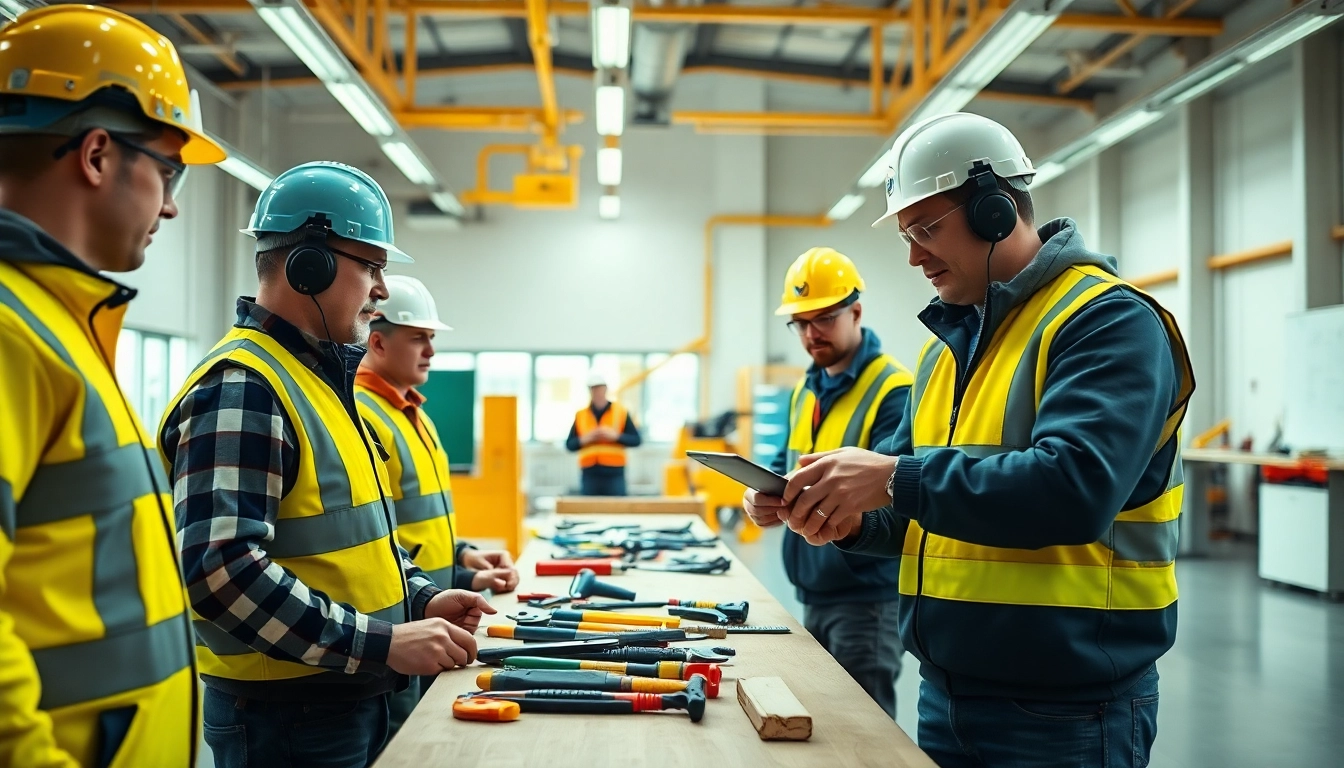
While theoretical learning provides essential knowledge, hands-on training is where understanding truly solidifies. Practical experiences help workers apply what they’ve learned, ensuring they can handle real-world scenarios. This combination of practical and theoretical training enhances retention and prepares workers to react effectively in emergencies.
Utilizing Technology in Safety Training
Technology can dramatically improve safety training effectiveness. Tools such as virtual reality (VR) simulations and mobile training applications offer interactive, engaging experiences. These innovations allow workers to practice safety protocols in a risk-free environment, enhancing their confidence and skill in real-life situations.
Implementing Successful Safety Training Programs
Assessing Training Needs of Workers
To implement a successful training program, it is vital to assess the training needs of each team. This involves evaluating current safety skills, identifying gaps in knowledge, and understanding specific job hazards. Surveys, assessments, and direct observation can help inform training curriculum development.
Integrating Training into Company Culture
For safety training to be effective, it must be integrated into the company’s culture. This means prioritizing safety in all areas of operation, from hiring processes to daily practices. Leadership should champion safety initiatives and encourage employees to take personal responsibility for their safety and that of their colleagues.
Tracking Training Effectiveness
Measuring the effectiveness of safety training programs is critical to long-term success. Metrics such as incident rates, near-miss reporting, and employee feedback should be analyzed regularly. This data allows organizations to refine their training programs continuously, ensuring relevance and effectiveness.
Best Practices for Sustaining Safety Awareness
Continuous Education and Refresher Courses
Safety training is not a one-time event; it requires ongoing education. Offering regular refresher courses helps keep safety knowledge fresh, especially in a field where practices and regulations frequently change. Continuous learning through workshops and updated training materials is essential.
Encouraging Open Communication Among Workers
Creating an environment where workers feel comfortable discussing safety concerns promotes a proactive safety culture. Open lines of communication enable workers to report hazards and suggest improvements without fear of reprisal. Safety meetings, suggestion boxes, and regular feedback sessions can facilitate this dialogue.
Recognizing and Rewarding Safe Practices
Motivation can be significantly enhanced by recognizing and rewarding safe practices among workers. Establishing recognition programs or incentives for teams that demonstrate consistent safety adherence can create a positive feedback loop, encouraging ongoing commitment to safety.
Evaluating the Impact of Construction Safety Training
Measuring Injury Rates and Safety Incidents
Quantifying the impact of safety training can largely be done through monitoring injury rates and safety incidents. A decrease in incidents after implementing safety training programs can indicate effectiveness. Consistent tracking will help to identify trends and areas needing further improvement.
Feedback Mechanisms from Employees
Gaining insights from employees regarding the training they receive is crucial. Feedback mechanisms such as surveys, focus groups, and one-on-one interviews can reveal their perceptions of training effectiveness and areas for enhancement. This two-way communication fosters trust and collaboration.
Adapting Training Based on Evaluation Results
Ultimately, training programs must be adaptable. Organizations should regularly review evaluation results to identify areas that require adjustments. Modifying training content, delivery methods, or frequency ensures that programs remain relevant and effective in addressing ongoing safety challenges.
FAQs About Construction Safety Training
What is construction safety training?
Construction safety training educates workers on safety practices and hazard recognition to reduce risks on job sites.
Why is safety training essential in construction?
Safety training is crucial for preventing accidents, ensuring compliance with regulations, and protecting workers’ health and safety.
What should a construction safety training program include?
A comprehensive program should cover hazard identification, proper use of safety equipment, emergency response, and legal regulations.
How can companies ensure their training is effective?
Companies can assess training needs, evaluate employee performance post-training, and gather feedback to improve their programs.
What are the legal requirements for construction safety training?
Legal requirements vary by location but typically include OSHA guidelines, which mandate safety training for employees in construction.