Understanding the Role of a New Jersey Commercial General Contractor
Definition and Responsibilities
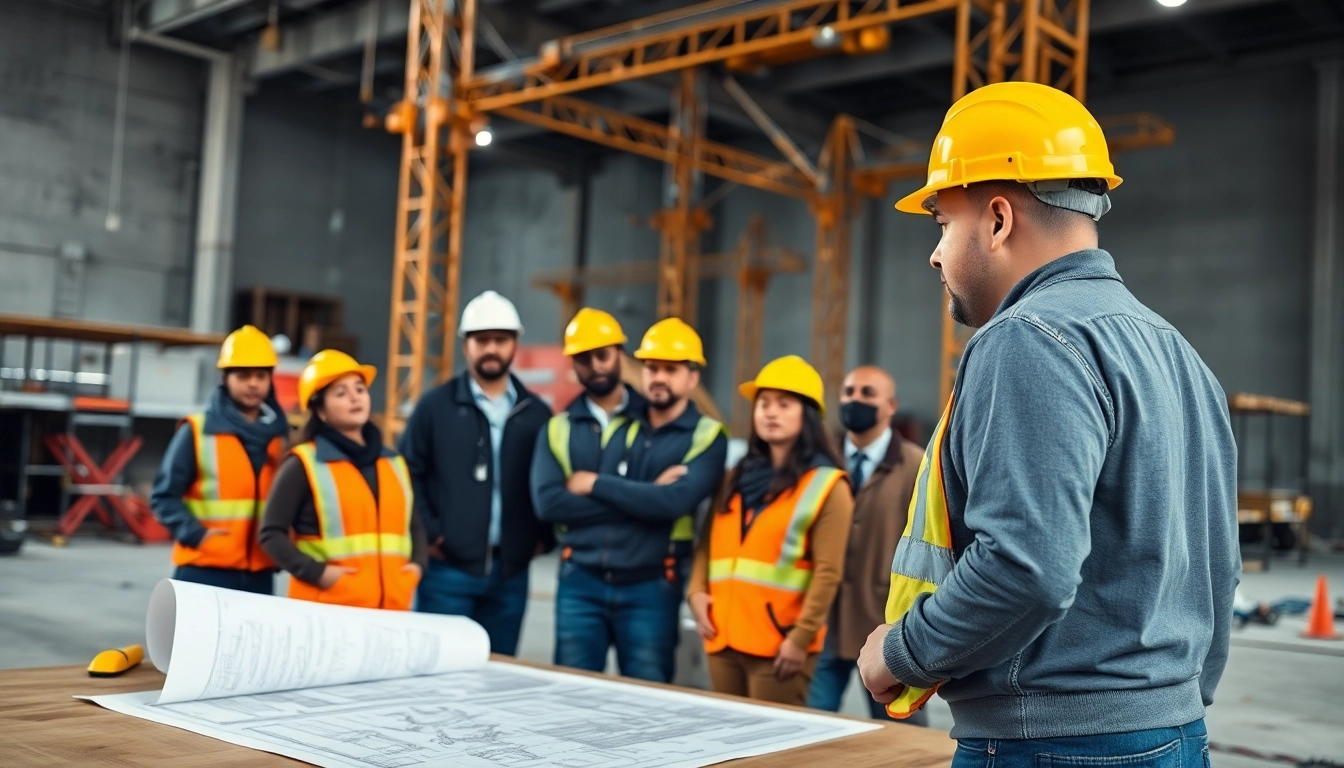
The role of a New Jersey Commercial General Contractor is integral to the building and construction industry. A commercial general contractor is responsible for overseeing the entire construction process, from initial planning and budgeting through to execution and completion. This includes hiring subcontractors, managing project timelines, ensuring compliance with safety regulations, and maintaining quality control. Their responsibilities also extend to communicating with stakeholders, including architects, engineers, and clients, to ensure that all parties are aligned with project goals and requirements.
Importance in Construction Projects
General contractors play a critical role in the success of commercial construction projects. They act as the linchpin between various aspects of the project, ensuring that everything proceeds smoothly. Their expertise in project management enables them to coordinate complex tasks, manage budgets, and mitigate risks, which can save clients significant costs and prevent delays. Moreover, important decisions, such as material selection and construction methods, fall under their purview, directly impacting the quality and durability of the finished project.
Key Skills Required
To be successful, a New Jersey Commercial General Contractor must possess a diverse skill set. Key skills include:
- Leadership: The ability to lead teams effectively is crucial for driving project success.
- Negotiation: Strong negotiation skills are essential for securing favorable terms with subcontractors and suppliers.
- Financial Acumen: Understanding budgets, costs, and financial projections is vital for project management.
- Technical Knowledge: Familiarity with construction methods and materials helps in making informed decisions.
- Problem-Solving: The ability to troubleshoot issues is essential in the dynamic construction environment.
Navigating the Legal Landscape for Contractors
Licensing and Certification Requirements
In New Jersey, commercial general contractors are required to hold specific licenses and certifications to operate legally. The New Jersey Division of Consumer Affairs oversees licensing, ensuring that contractors meet the necessary qualifications and standards. Applicants must typically demonstrate relevant experience, submit financial records, and successfully pass exams that evaluate their understanding of construction regulations and practices. Maintaining appropriate licensing not only enhances credibility but also ensures compliance with state laws.
Compliance with Local Regulations
Each municipality in New Jersey may have unique regulations governing construction practices. General contractors must stay informed about local laws, zoning regulations, and building codes that can impact the project. Compliance with these regulations is crucial, as failure to adhere could result in fines, work stoppages, or the need to modify existing structures to meet compliance requirements.
Understanding Contracts and Liabilities
Contracts are foundational to the construction process, outlining the scope of work, timelines, payment terms, and obligations of all parties involved. A well-drafted contract mitigates disputes and clarifies key points to minimize liabilities. Commercial general contractors should have a thorough understanding of contract law and cultivate strong relationships with legal advisors to navigate complex legal environments, ensuring their contractual agreements protect their interests and comply with relevant laws.
Best Practices for Effective Project Management
Planning and Scheduling Techniques
Effective project management hinges on meticulous planning and scheduling. Utilizing software and project management tools can assist in developing accurate project timelines that account for all phases of construction. Techniques such as Gantt charts, critical path analysis, and milestone tracking can provide clarity on project progress and deadlines, fostering accountability among team members.
Budgeting for Success
Budget management is a multifaceted aspect that requires precision and foresight. Budgets should encompass all potential costs, including labor, materials, permits, and contingency allowances. Regular financial assessments and adjustments help ensure that projects do not exceed their budgets while also preparing for unexpected expenses. Engaging financial experts can aid contractors in maintaining fiscal responsibility throughout the project lifecycle.
Communicating with Stakeholders
Effective communication is essential for ensuring all stakeholders are informed and engaged throughout the construction process. Regular updates, meetings, and progress reports can help maintain transparency and foster collaboration. Addressing concerns promptly and soliciting feedback can also contribute to a smoother workflow, minimizing misunderstandings and fostering a more productive working environment.
Challenges Facing New Jersey Commercial General Contractors
Managing Labor Shortages
The construction industry is currently experiencing labor shortages, which can impact project timelines and costs. General contractors must be proactive in hiring practices, focusing on recruitment, training, and retention of skilled labor. Establishing partnerships with trade schools and apprenticeship programs can also create a pipeline of talent that helps meet labor demands within the industry.
Addressing Supply Chain Issues
Supply chain disruptions have become more prevalent, affecting the availability of materials and increasing costs. Contractors should develop relationships with multiple suppliers to diversify their resources and reduce dependency on a single source. Implementing just-in-time procurement strategies can also aid in managing inventory effectively, ensuring that materials are available when needed without incurring excess costs.
Dealing with Unforeseen Project Delays
Unforeseen delays can derailing progress, stemming from various factors such as weather conditions, regulatory issues, or labor shortages. To mitigate such risks, general contractors should build flexibility into project schedules and develop contingency plans. Engaging in regular risk assessment and maintaining open channels of communication with all stakeholders can facilitate quick decisions when delays occur, minimizing their impact on overall project timelines.
Future Trends in Commercial Construction
Embracing Sustainable Practices
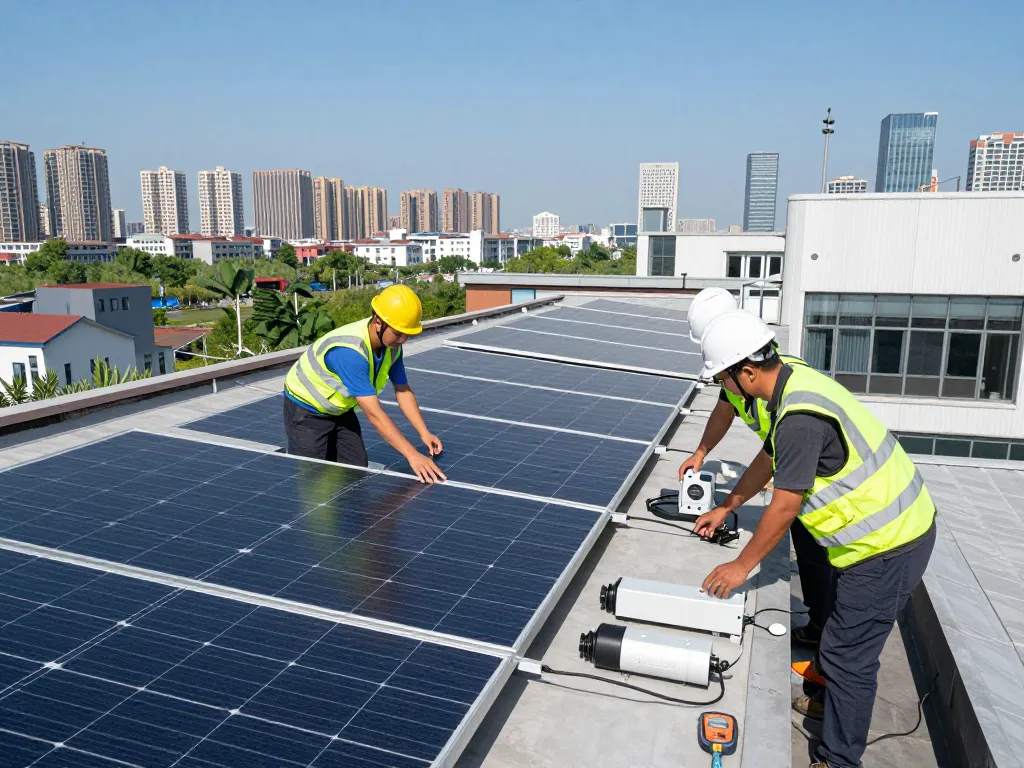
Sustainability continues to shape the future of commercial construction. Contractors should prioritize eco-friendly materials, energy-efficient designs, and sustainable construction practices to meet regulatory standards and client expectations. Incorporating green building certifications and standards, such as LEED, can enhance the value of projects and appeal to environmentally-conscious investors and clients.
Leveraging Technology in Construction
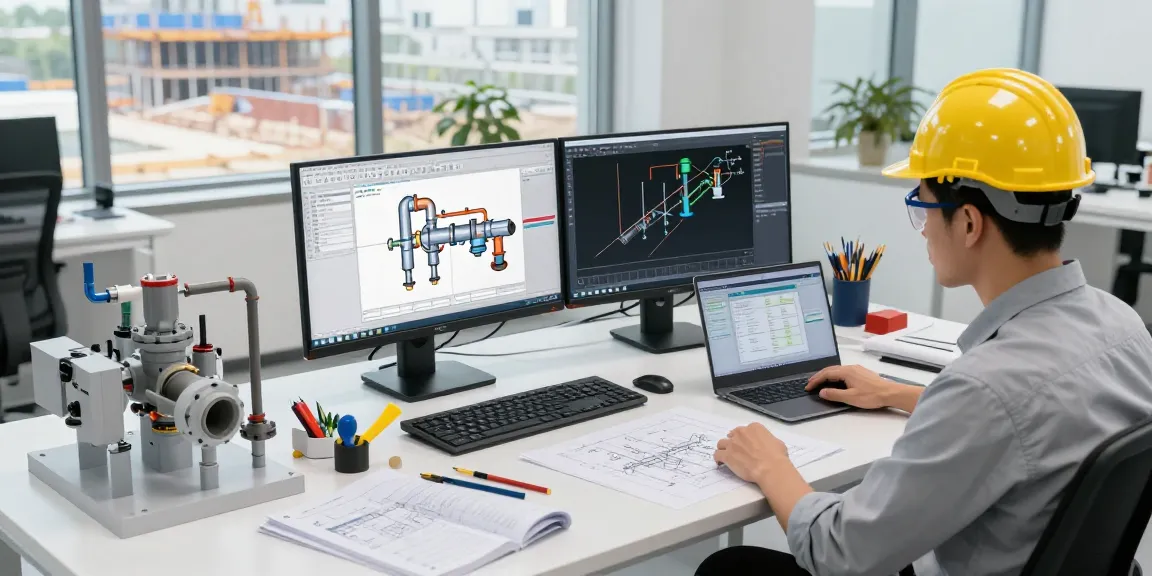
Advancements in technology are revolutionizing the construction industry. Tools such as Building Information Modeling (BIM), drones, and augmented reality can enhance project planning, allow for better visualization, and streamline operations. Adopting cutting-edge technology can significantly improve efficiency, reduce costs, and minimize mistakes throughout the construction process.
Adapting to Economic Changes
The construction sector is influenced by broader economic conditions. Fluctuations in the economy can affect material costs, labor availability, and project demand. Commercial general contractors must remain agile, continuously assessing market trends and adapting strategies to navigate economic uncertainties. Developing diversified project portfolios can also provide stability during economic downturns.
Frequently Asked Questions
What is the role of a commercial general contractor?
A commercial general contractor oversees construction projects, coordinating contractors, managing schedules, budgets, and ensuring compliance with laws and safety regulations.
What licenses are required for general contractors in New Jersey?
General contractors in New Jersey must obtain specific licenses from the Division of Consumer Affairs, demonstrating experience and compliance with state regulations.
How can contractors manage project budgets effectively?
Effective budgeting requires accurate cost estimations, tracking expenses, and making adjustments as necessary to maintain project financial integrity.
What strategies help in dealing with labor shortages?
Contractors can address labor shortages by establishing partnerships with educational institutions, offering training programs, and improving workforce retention strategies.
What technology is transforming the construction industry?
Technologies like Building Information Modeling (BIM), drones, and augmented reality are streamlining project management, enhancing efficiency, and reducing errors in construction.