Understanding the Stainless Steel Basin Manufacturing Process
As the demand for high-quality kitchen and bathroom fixtures continues to rise, understanding the intricacies of the manufacturing process of stainless steel basins becomes essential for industry professionals and consumers alike. This article delves into the foundational aspects of how stainless steel basins are produced, their material composition, and the quality control measures in place to ensure that every basin meets stringent standards. For those interested in sourcing top-notch products, a reliable stainless steel basin factory is paramount.
What is a Stainless Steel Basin?
A stainless steel basin is a durable and versatile fixture commonly used in kitchens and bathrooms. Known for its resistance to corrosion and ability to withstand high temperatures, stainless steel is the preferred material for many consumers. These basins come in various shapes and sizes, making them suitable for both residential and commercial applications.
Key Materials Used in Production
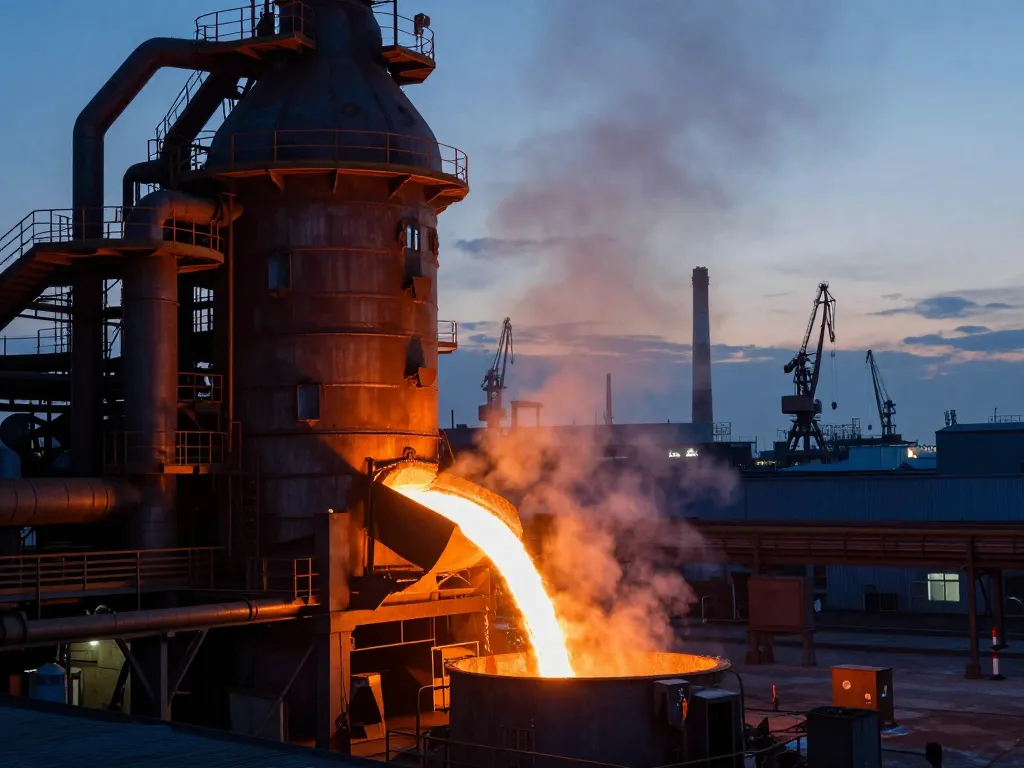
The primary material for manufacturing stainless steel basins is—unsurprisingly—stainless steel. This alloy is composed of iron, carbon, and a minimum of 10.5% chromium, which provides its renowned corrosion resistance. Other materials, like nickel and molybdenum, may also be added to enhance strength and durability. These materials are sourced from various suppliers, and the quality of the stainless steel directly impacts the integrity and longevity of the basins produced.
Overview of the Manufacturing Steps
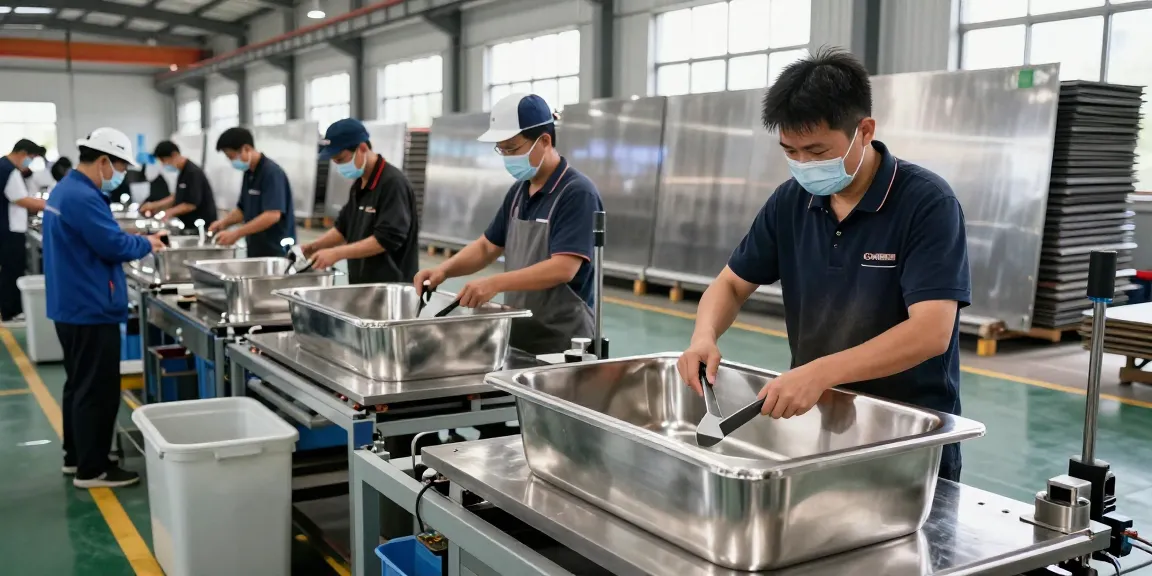
The manufacturing process of stainless steel basins involves several key steps that ensure high-quality output:
- Material Selection: The process begins with selecting top-grade stainless steel.
- Cutting and Shaping: Sheets of stainless steel are cut into the desired shapes using laser cutting technology, which offers precision.
- Forming: The cut sheets are then formed into the basin shape using hydraulic presses.
- Welding: The edges are welded together to create a seamless structure, enhancing durability.
- Finishing: Basins undergo polishing and finishing processes to remove any imperfections and provide a sleek appearance.
- Quality Assurance: Finally, each basin is inspected for quality before packaging and shipment.
Quality Control and Standards in Basin Production
Ensuring product quality is crucial in the basin manufacturing industry. Manufacturers must adhere to strict quality control measures to meet customer expectations and industry standards.
Importance of Quality Assurance
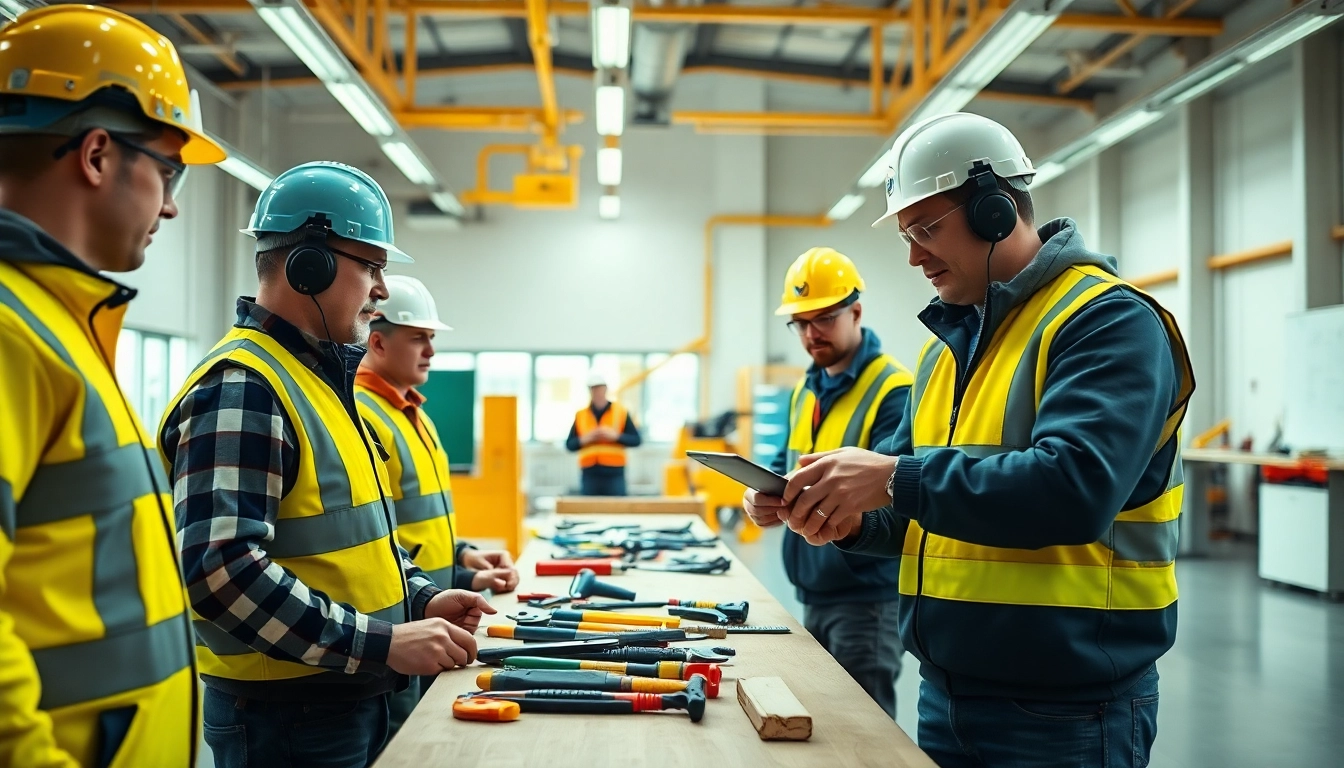
Quality assurance is vital in basin production, affecting customer satisfaction and brand reputation. By implementing rigorous testing at each production stage, manufacturers can identify defects early, reducing waste and costs associated with returns and repairs.
Industry Standards and Certifications
Manufacturers must comply with industry standards such as ISO 9001 for quality management and NSF International certifications specific to food safety for kitchen basins. These certifications assure consumers that the products meet safety and quality benchmarks.
Challenges in Quality Control
Despite the best efforts, challenges in quality control still exist. Variability in raw material quality, equipment malfunctions, and human errors can compromise the final product. Continuous training and investment in technology are essential to mitigate these challenges.
Innovations in Stainless Steel Basin Design
The design landscape for stainless steel basins is constantly evolving, with innovations shaping consumer preferences and industry standards.
Trends in Basin Design for 2026
For 2026, several design trends are emerging, such as:
- Minimalist Designs: Sleek, simple lines that blend seamlessly with modern kitchens.
- Smart Features: Incorporation of technology, such as integrated lighting and sensors for a more functional experience.
- Textured Finishes: Unique textures that add an aesthetic appeal while maintaining functionality.
Custom vs. Standard Designs
Consumers are increasingly looking for custom designs tailored to their specific needs, which presents a challenge for manufacturers to balance standard production with customization options.
Eco-Friendly Manufacturing Practices
With the rise of sustainable living trends, manufacturers are adopting eco-friendly practices in basin production. This includes using recycled materials, reducing energy consumption, and minimizing waste during production.
Market Analysis of Stainless Steel Basins
The stainless steel basin market is dynamic, driven by various factors including consumer trends, technological advancements, and economic conditions.
Current Market Trends and Growth Opportunities
Demand for stainless steel basins is on the rise due to their durability and aesthetic appeal. Market research suggests a growing preference for sustainable products and the integration of technology, paving the way for new opportunities for manufacturers.
Comparative Analysis with Competitors
Manufacturers must stay competitive by differentiating their products. Companies that focus on innovation, quality, and customer service tend to outperform their competitors. Regular analysis of competitor offerings can provide valuable insights into market dynamics.
Consumer Preferences and Buying Behavior
Consumers are gravitating towards brands that offer transparency in sourcing materials and production processes. Online reviews and user experiences significantly influence purchasing decisions, making it essential for manufacturers to maintain a strong reputation.
Future Trends in the Stainless Steel Basin Industry
The future promises exciting advancements and changes in the stainless steel basin industry, influenced by technology and consumer preferences.
Technological Advancements in Manufacturing
Technological innovations, such as automated manufacturing and advanced robotics, are set to transform the production process. These technologies enhance precision, reduce production times, and lower costs.
Predictions for the Industry in 2026
By 2026, the stainless steel basin industry is expected to witness a surge in demand driven by urbanization and housing development. Manufacturers that invest in sustainable practices and innovative designs will likely lead the market.
How to Stay Ahead in the Market
To maintain a competitive edge, businesses should focus on:
- Implementing advanced technology in production.
- Offering customizable solutions to meet diverse consumer needs.
- Building strong relationships with suppliers to ensure high-quality raw materials.
What are the benefits of stainless steel basins?
Stainless steel basins offer numerous benefits, including durability, resistance to corrosion, ease of maintenance, and a modern aesthetic that complements various design styles.
How to choose the right stainless steel basin for my needs?
When selecting a stainless steel basin, consider factors such as size, style, gauge of the steel, and any additional features that could enhance functionality.
What are the maintenance tips for stainless steel basins?
To maintain stainless steel basins, regularly clean them with a non-abrasive cleaner and avoid harsh chemicals. Wipe down surfaces after use to minimize water spots and stains.
What innovations should we expect in stainless steel basin design?
Future innovations may include smart technology integrations, new sustainable materials, and innovative designs that cater to evolving consumer preferences.
What are the leading brands in the stainless steel basin market?
Some leading brands include Just Manufacturing, BLANCO, and Elkay, each known for their commitment to quality and innovation in the stainless steel basin industry.