Understanding Mold and Its Risks in Fort Lauderdale
Mold is a common concern in humid climates like Fort Lauderdale, Florida. With its warm weather and frequent rainfall, the region provides an ideal environment for mold growth. Homeowners and business owners alike must understand the significance of mold remediation in Fort Lauderdale to maintain a healthy indoor environment. Mold can lead to a range of health issues and structural damage, making it crucial to address it promptly and effectively. When exploring options, mold remediation in Fort Lauderdale provides comprehensive insights into getting rid of this harmful fungus.
What is Mold and Why It Thrives in Florida?
Mold is a type of fungus that can grow indoors and outdoors in damp environments. It reproduces through spores that are carried by air and can settle on various surfaces, including wood, drywall, and even food. In Florida, high humidity levels and temperatures create the perfect breeding ground for mold to flourish. Common types found in residential areas include black mold (Stachybotrys chartarum), cladosporium, and aspergillus.
Common Health Hazards Linked to Mold Exposure
Exposure to mold can lead to numerous health problems, particularly for individuals with allergies, asthma, or compromised immune systems. Common symptoms associated with mold exposure include:
- Respiratory issues such as coughing, sneezing, and wheezing
- Skin irritations and rashes
- Eye irritation, including redness and watery eyes
- Long-term health conditions, such as chronic sinus infections and respiratory diseases
- Severe allergic reactions
It is essential to address mold growth not only for the sake of property upkeep but also for the health and well-being of the inhabitants.
Signs That You Need Mold Remediation
Recognizing the signs of mold growth early can save time and money in the long run. Here are some indicators that suggest you may need professional mold remediation:
- Visible mold growth on walls, ceilings, or surfaces
- Musty odors lingering in areas of your home or office
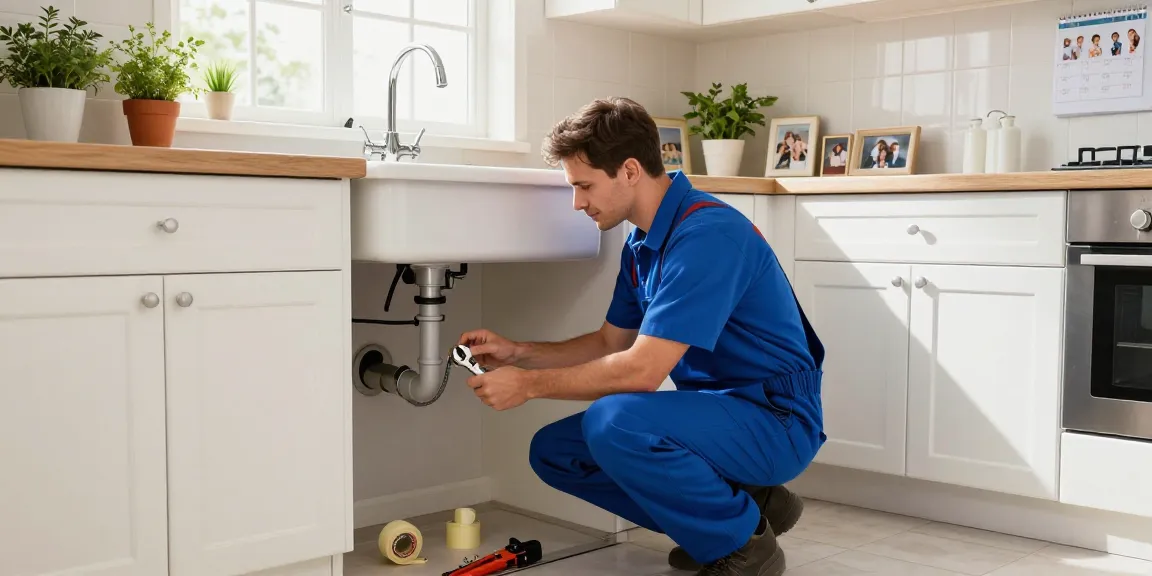
- Water damage or leaks that have not been repaired
- Increased allergy symptoms among household members
If you identify any of these signs, it’s crucial to contact a professional service for mold testing and remediation as soon as possible.
The Mold Remediation Process Explained
Step-by-Step Mold Inspection Techniques
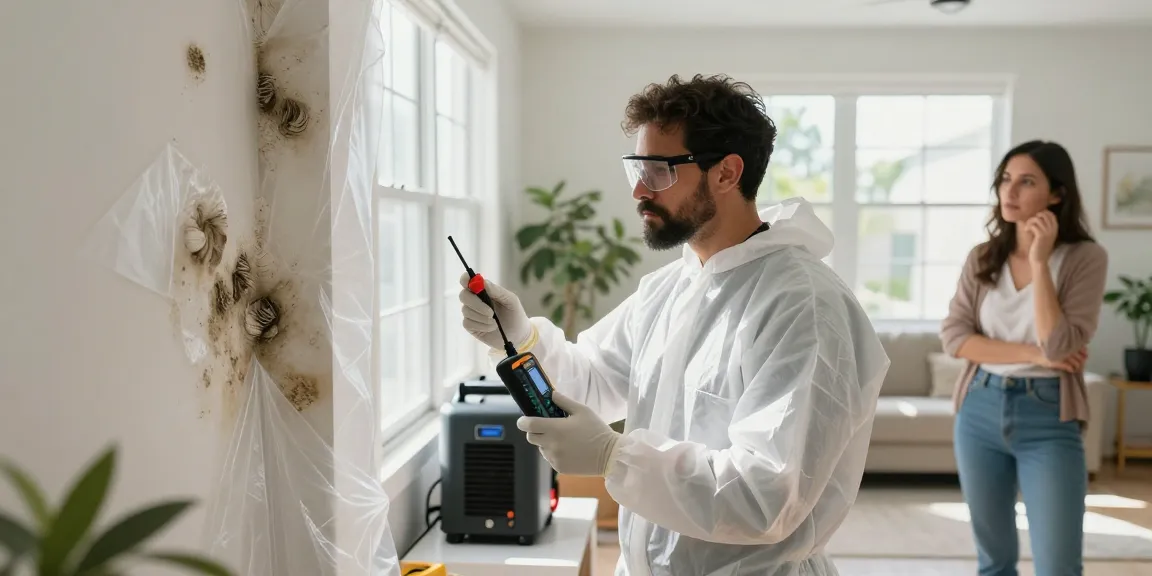
The mold remediation process begins with a thorough inspection to assess the extent of the mold infestation. Certified technicians will:
- Conduct a visual inspection of the property.
- Utilize specialized equipment for air quality testing and surface sampling.
- Identify moisture sources that are contributing to mold growth.
The data collected will help formulate an effective treatment plan tailored to the specific needs of your property.
Effective Mold Removal Strategies
Once the inspection is complete, the next phase is mold removal. This typically involves several steps:
- Establishing containment by using barriers and negative air pressure to prevent spores from spreading.
- Safely removing mold-damaged materials such as drywall and carpet.
- Cleaning non-porous surfaces using industrial-grade cleaners to eliminate remaining spores.
- Repairing and restoring affected areas after ensuring the environment is mold-free.
Importance of Mold Post Testing After Remediation
After the mold removal process, it is essential to conduct post-remediation testing. This step confirms that the mold has been effectively eliminated and that the air quality is safe. Samples are typically analyzed in certified labs to ensure accuracy.
Why Choose Mold Only for Your Remediation Needs?
Certified Technicians and Their Expertise
Mold Only prides itself on having a team of certified and experienced technicians who specialize in mold remediation. Their expertise ensures that every job is handled with the utmost care and professionalism, adhering to industry standards to provide clients with the best results possible.
Community Commitment and Customer Satisfaction
As a locally-owned business, Mold Only is dedicated to the Fort Lauderdale community. They prioritize customer satisfaction, providing personalized services that address specific needs and concerns of clients.
Fast Response Times and Accurate Estimates
When dealing with mold, time is of the essence. Mold Only guarantees quick response times and offers free estimates to help clients make informed decisions about their mold remediation options.
Mold Prevention Strategies for Homeowners
Best Practices for Moisture Control
Preventing mold growth is crucial for maintaining a healthy indoor environment. Homeowners can adopt several strategies to control moisture, including:
- Using dehumidifiers in high-humidity areas.
- Fixing leaks in roofs, plumbing, and walls promptly.
- Ensuring proper ventilation in bathrooms and kitchens.
- Regularly cleaning gutters and ensuring drainage systems are functioning properly.
Regular Home Maintenance Tips
In addition to moisture control, regular maintenance can help prevent mold growth. Here are some tips:
- Inspect areas that are prone to moisture, such as basements and attics.
- Keep furniture away from walls to allow airflow.
- Regularly clean and maintain HVAC systems.
When to Schedule Professional Mold Inspections
Even if you don’t see visible signs of mold, consider scheduling periodic professional mold inspections. The following scenarios may necessitate an inspection:
- After water damage incidents.
- When purchasing a new home.
- If allergies or respiratory problems increase in your household.
Frequently Asked Questions About Mold Remediation
What’s the difference between mold removal and remediation?
Mold removal typically refers to the physical removal of mold, while remediation encompasses the entire process of addressing mold growth, including prevention and damage repair.
How can I tell if I need a mold inspection?
Signs such as visible mold, musty odors, or recent water damage are good indicators that a mold inspection is necessary.
Does homeowners’ insurance cover mold remediation?
Coverage can vary based on the insurance policy. Many policies offer limited coverage for mold remediation, particularly if the mold results from a covered water damage incident.