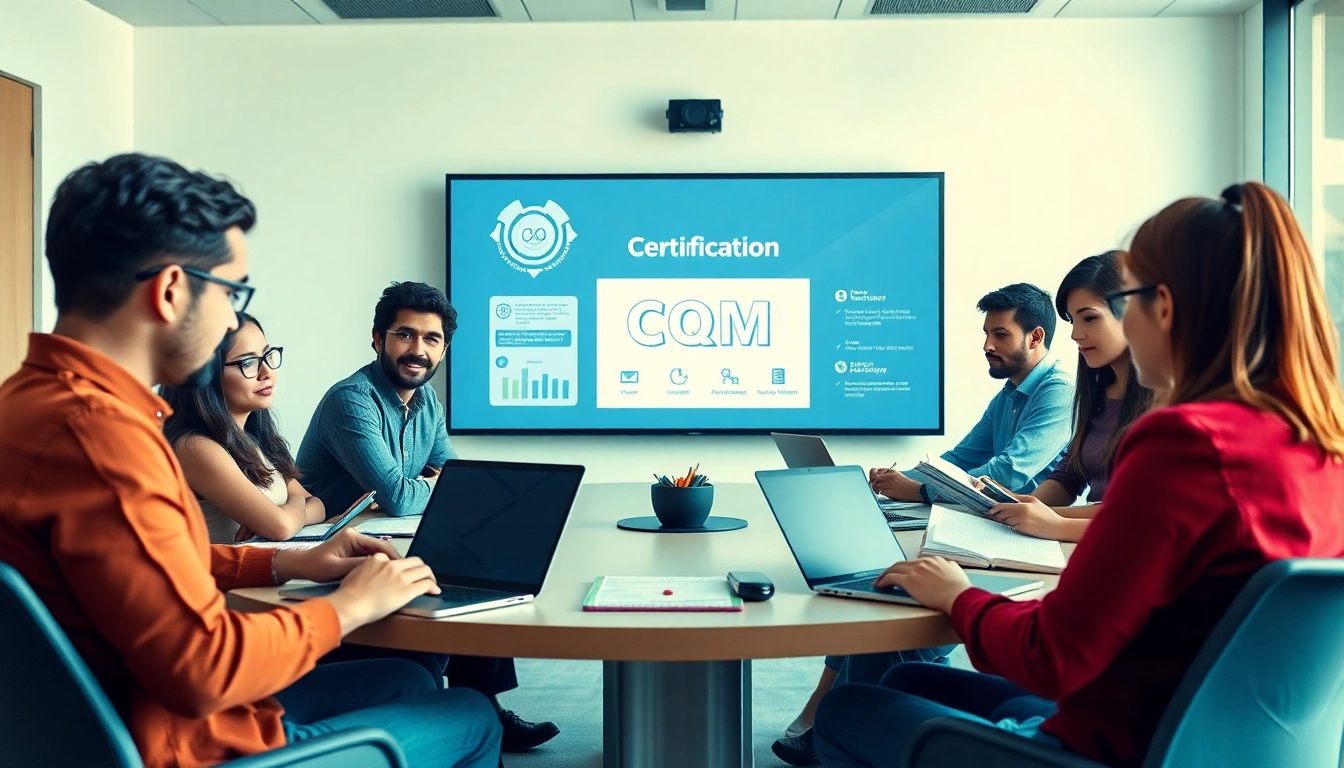
Understanding CQM Certification
What is CQM Certification?
The CQM certification, which stands for Construction Quality Management, is a credential designed to ensure that professionals in the construction industry possess the necessary knowledge and skills to manage and maintain quality throughout the lifecycle of a project. This certification focuses on the principles of quality management, emphasizing the importance of thorough planning, execution, and oversight of processes to enhance construction quality. It caters to a wide array of construction professionals, including project managers, quality assurance managers, and construction supervisors. By obtaining the cqm certification, individuals demonstrate their dedication to excellence and commitment to following industry standards and practices.
Importance of CQM Certification in Industries
CQM certification plays a critical role across various sectors of industry, particularly in construction, where the quality of work directly impacts safety, sustainability, and customer satisfaction. Holding a CQM certification not only enhances a professional’s reputation but also provides organizations with a robust framework to assure clients of consistent quality outcomes. This certification helps mitigate risks associated with construction projects by instilling a culture of quality at every stage, which can lead to reduced costs, fewer delays, and improved project delivery timelines. Furthermore, with regulatory bodies increasingly prioritizing quality management, having CQM certification can also be advantageous during bidding processes, providing a competitive edge.
Key Eligibility Requirements for CQM Certification
To qualify for CQM certification, candidates must fulfill specific eligibility criteria. While prerequisites can vary based on the certifying organization, generally, a strong foundation in construction management principles is required. Candidates typically should have a minimum of two years of experience in construction or related fields, with some relevant educational background in engineering, architecture, or construction management being advantageous. Furthermore, candidates may be required to complete a preparatory course that covers essential quality management topics before sitting for the CQM certification exam. This structure ensures that all candidates possess a baseline understanding of essential quality management principles.
Preparing for CQM Certification Exams
Effective Study Techniques for CQM Certification
Preparing for the CQM certification exam requires strategic study techniques tailored to individual learning preferences. One effective approach is active learning, which involves engaging with the material through discussions, teaching concepts to peers, or applying them in practical scenarios. Additionally, creating visual aids such as mind maps can help interlink concepts and improve memory retention. Regular self-assessment through practice tests can also bolster preparedness, offering insights into potential areas for improvement and helping to familiarize candidates with the exam format.
Recommended Resources for CQM Certification Preparation
Several resources can significantly assist candidates in their preparation for the CQM certification exam. Textbooks covering construction quality management principles, online courses, and interactive webinars can provide foundational knowledge essential for understanding complex concepts. Furthermore, study groups offer an opportunity for collaboration and shared insights among peers. Candidates may benefit from utilizing sample tests and past exam questions to enhance their familiarity with the types of questions posed during the exam and assess their readiness.
Creating a Study Schedule for CQM Certification Success
Implementing a well-structured study schedule is pivotal for success in obtaining CQM certification. Start by identifying your exam date and working backward to allocate sufficient preparation time. Segment your study material into manageable sections and dedicate specific days to focus on each topic. Engage in regular revisions and intersperse practice exams to track progress. Furthermore, consider incorporating breaks and leisure activities into your schedule to prevent burnout and maintain motivation. Utilizing digital tools to set reminders and track milestones can also enhance adherence to the plan.
Best Practices During CQM Certification Exam
Time Management Tips for Exam Day
Effective time management on exam day is crucial for ensuring candidates can thoroughly respond to all questions. Begin by scanning the exam to gauge its length and difficulty. Allocate more time to challenging sections and keep an eye on the clock to avoid spending too long on any single question. It’s often beneficial to answer easier questions first to build confidence and momentum. Also, if time permits, review your answers to catch potential errors. Managing time effectively will alleviate anxiety and enhance performance during the CQM certification exam.
Understanding the Exam Format and Structure
Familiarity with the exam format is essential for effective preparation. The CQM certification exam typically comprises multiple-choice questions that assess knowledge and application of quality management principles in construction. Review the structure of previous exams to recognize typical phrasing and question types, which can aid in understanding what is expected. Knowing the weight of different sections can help prioritize study time effectively. It’s also recommended to practice with mock exams that mimic real testing conditions to build comfort with the format.
Common Pitfalls to Avoid in CQM Certification Exam
Several common pitfalls can hinder success on the CQM certification exam. First, underestimating the importance of thorough preparation can lead to feeling overwhelmed on exam day. Avoid last-minute cramming, which can create unnecessary anxiety. Second, neglecting to read questions carefully can result in misinterpretation and answering incorrectly. Lastly, managing stress through deep breathing and a positive mindset can help candidates think clearly and make informed decisions throughout the exam. Recognizing these pitfalls and actively working to mitigate them will enhance overall performance.
Post-Certification: Leveraging CQM Certification
Career Opportunities After Receiving CQM Certification
Obtaining CQM certification opens numerous career opportunities within the construction industry. Certified professionals are often sought after for positions in quality assurance, project management, and compliance roles. The certification can empower professionals to take on more responsibilities and leadership roles, often leading to increased job security and salary potential. Employers value this credential as it signifies a commitment to quality and professional development, which can facilitate career advancement and open doors to new job opportunities.
Continuous Learning for CQM Certification Holders
Post-certification, continuous learning is vital for CQM certification holders. The construction industry is dynamic, with evolving technologies and regulations that require professionals to stay informed. Engaging in ongoing professional development through workshops, training sessions, and relevant conferences can significantly enhance skills and knowledge. Joining professional organizations dedicated to construction quality management can provide access to valuable resources and networking opportunities, fostering growth and adaptation in a competitive job market.
Networking Opportunities with CQM Certification
Networking plays a crucial role in leveraging CQM certification for professional advancement. Connecting with fellow certification holders, industry leaders, and professionals at conferences or workshops can forge valuable relationships. These networks often provide support, insights into industry trends, and information about job openings. Actively participating in online forums or social media groups dedicated to construction quality management can also extend networking opportunities beyond immediate geographic boundaries. Building a robust professional network can lead to collaborations and potential career advancements.
Frequently Asked Questions
What is the duration of CQM certification validity?
The CQM certification typically remains valid for three to five years, contingent upon the certifying body’s requirements. Renewal processes may involve continuing education or re-examination.
Are there any prerequisites for enrolling in CQM certification?
While specific prerequisites may vary, at least two years of experience in a related field is commonly required. A background in engineering or management is often beneficial for candidates.
How much does it cost to obtain CQM certification?
The cost for CQM certification can range from several hundred to a few thousand dollars. This may include exam fees, study materials, and preparatory course expenses.
What is the passing score for the CQM certification exam?
The passing score for the CQM certification exam is generally around 70%. This may vary depending on the certifying body, so candidates should check specific guidelines.
Can I retake the CQM certification exam if I fail?
Yes, candidates who do not pass the CQM certification exam typically have the opportunity to retake it. Most organizations outline a waiting period and any additional requirements for retaking the exam.