Introduction to HEPA Filter
When it comes to maintaining a clean and healthy environment, the significance of effective air filtration cannot be overstated. One of the most reliable solutions for air purification is the hepa filter. These filters have gained widespread recognition for their ability to capture a high percentage of airborne particles, making them essential in various applications, from households to health care facilities. Understanding HEPA filters involves exploring what they are, their importance, and how they function to ensure a superior air quality.
What is a HEPA Filter?
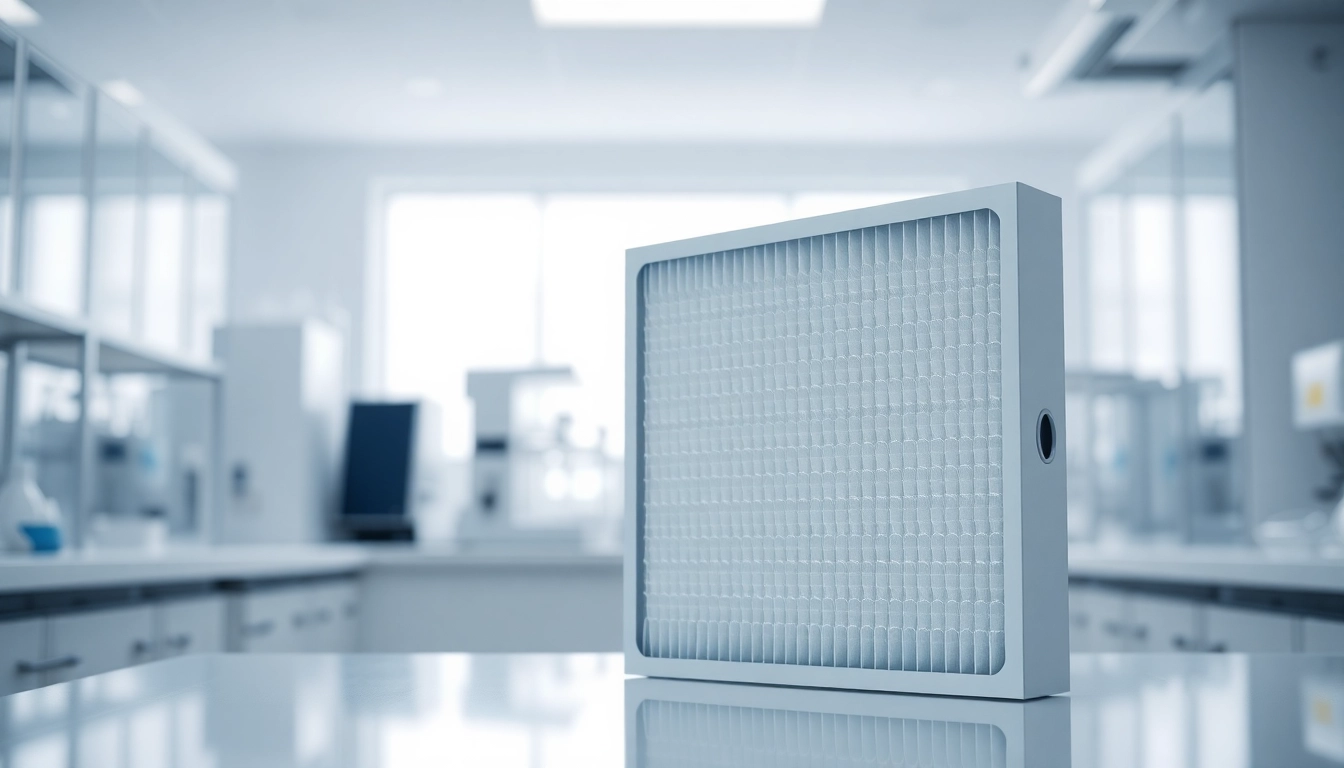
A High Efficiency Particulate Air (HEPA) filter is a type of air filter that is designed to trap a significant amount of particles from the air that passes through it. Specifically, a true HEPA filter must capture at least 99.97% of particles that are 0.3 microns in size. These particles include dust, pollen, pet dander, smoke, and many other allergens. By meeting this filtration standard, HEPA filters provide a critical line of defense against airborne pollutants, supporting cleaner air in both residential and commercial settings.
Importance of HEPA Filters
The importance of HEPA filters lies primarily in their effectiveness at improving indoor air quality, which has profound implications for health. Poor air quality is linked to various respiratory issues, allergies, and other health conditions. Installing a HEPA filter in environments prone to allergens, such as homes with pets or high pollution levels, can drastically reduce airborne contaminants. Furthermore, they are pivotal in industrial settings to protect workers from hazardous particles, thereby enhancing safety and productivity. Overall, the installation of HEPA filters is a proactive approach to ensuring a healthier living and working environment.
How HEPA Filters Work
HEPA filters function through a combination of three main mechanisms: interception, inertial impaction, and diffusion. As air is drawn into the filter, larger particles are captured through interception and inertial impaction—where they collide with fibers in the filter material. Smaller particles are detained through diffusion, allowing the filter to trap particles across a wide range of sizes. This multi-faceted approach enables HEPA filters to excel in air purification, providing very high-efficiency filtration compared to standard filters.
Types of HEPA Filters
Different applications require different types of HEPA filters, which can vary based on their filtration efficiency and design. Understanding the types of HEPA filters available is crucial when choosing the right solution for specific air quality needs.
Standard HEPA Filter
A standard HEPA filter must comply with the HEPA standard, achieving a minimum efficiency of 99.97% at 0.3 microns. These filters are commonly found in residential air purifiers and HVAC systems. They are designed to provide effective filtration tailored for everyday use, ensuring homes remain free of common allergens and pollutants.
True HEPA Filter
True HEPA filters are a step above standard HEPA filters in terms of filtration efficiency and material quality. They capture at least 99.97% of 0.3-micron particles and are tested and certified to meet stringent standards. These filters are widely used in applications that demand the highest air quality, such as hospitals and laboratories, where maintaining a sterile environment is paramount.
HEPA-Type Filter
HEPA-type filters are those that claim to offer HEPA-like performance but do not meet the strict criteria that define true HEPA filters. While they may provide some level of filtration, their effectiveness can vary significantly, and they typically capture a lower percentage of airborne particles. Therefore, while they can be used in less critical applications, they are not suitable for settings demanding high air quality standards.
Applications of HEPA Filters
HEPA filters are versatile devices used across various environments. Understanding their applications helps to appreciate their role in enhancing air quality and ensuring safety.
HEPA Filters in Homes
In the home environment, HEPA filters are essential for reducing allergens such as dust, pet dander, and pollen. They are commonly used in air purifiers and HVAC systems to create a more comfortable living space for allergy sufferers. In addition, households with smokers or individuals with respiratory issues benefit significantly from employing HEPA filters, as they help to remove harmful particles from the air, promoting overall health and well-being.
Industrial Uses of HEPA Filters
Industrially, HEPA filters are employed in settings such as manufacturing plants, clean rooms, and laboratories. In these environments, maintaining a certain level of air cleanliness is critical to product quality and safety. For instance, semiconductor manufacturing requires nearly particle-free environments to prevent contamination, where HEPA filters play a vital role in ensuring compliance with strict cleanliness standards.
HEPA Filters in Healthcare Settings
HEPA filters are indispensable in healthcare settings, such as hospitals and clinics, where they help to maintain sterile environments and minimize the risk of airborne infections. Surgical rooms use HEPA filters to reduce the risk of post-operative infections by capturing bacteria and viruses. Moreover, patient rooms equipped with HEPA-filtered air purifiers contribute to improved air quality, significantly benefiting patients with compromised immune systems or respiratory diseases.
Choosing the Right HEPA Filter
Selecting the appropriate HEPA filter involves considering various factors that can influence filtration performance and overall effectiveness. Understanding these factors can ensure that users make informed decisions tailored to their specific needs.
Factors to Consider
Several key factors should be taken into account when choosing a HEPA filter, including the filter’s efficiency, air flow rate, size, and compatibility with existing systems. Additionally, understanding the specific air quality needs—such as allergies, smoke control, or general dust—will aid in selecting the right type of filter. The filter’s lifespan and maintenance requirements are also essential considerations, as they can affect ongoing costs and performance over time.
How to Maintain HEPA Filters
Proper maintenance of HEPA filters is crucial for ensuring optimal performance. Users should follow manufacturer instructions regarding replacement schedules and maintenance practices. Regular inspections can help determine when a filter needs to be replaced, and proper cleaning for washable HEPA filters is essential for extending their life. Regular maintenance not only enhances filtration efficiency but also reduces health risks associated with stagnant or contaminated filters.
Common Misconceptions about HEPA Filters
There are several misconceptions surrounding HEPA filters that can lead to misunderstandings about their capabilities. One common myth is that all filters labeled as HEPA provide the same filtration efficiency, which is inaccurate. Additionally, some believe HEPA filters eliminate all indoor air pollutants; while they are highly effective, they do not remove gases or odors. Proper education on the functioning of HEPA filters is essential for ensuring effective use in air quality management.
Future of HEPA Filter Technology
The future of HEPA filter technology is a dynamic field, driven by advancements in materials science and engineering. As air quality concerns grow globally, innovations in HEPA filter technology will play a crucial role in addressing evolving challenges.
Emerging Trends in Air Filtration
New developments in air filtration technology point toward more efficient and sustainable solutions. The rise of smart technologies that allow for real-time monitoring and filter management is becoming prevalent. Additionally, there is a trend toward incorporating advanced materials that enhance filtration performance while reducing energy consumption. These emerging trends are likely to redefine standards for air quality across residential, commercial, and industrial landscapes.
Innovations in HEPA Filters
Innovations in HEPA filter design are focused on improving efficiency and adaptability. For example, new hybrid filters combine HEPA filtration with technologies like UV light or activated carbon to provide combined benefits. These innovations can capture particles while neutralizing odors and pathogens, addressing complex air quality challenges in a single solution. Researchers are also exploring nanofiber technology to create lighter and more effective filters without compromising performance.
Impact on Air Quality Standards
The advancement of HEPA filter technology is likely to influence air quality standards globally. As filtration efficiency improves, regulatory bodies may raise expectations, aligning them with contemporary health and safety research. The integration of HEPA filters into public health initiatives emphasizes the critical role that clean air plays in overall well-being and could lead to more robust regulations aimed at ensuring air purity across all sectors.
Frequently Asked Questions
What is the lifespan of a HEPA filter?
The lifespan of a HEPA filter typically ranges from 6 months to 2 years, depending on usage and air quality conditions. Regular maintenance can extend their efficiency.
Can HEPA filters remove odors?
Standard HEPA filters do not effectively remove odors. Additional filtration technologies, like activated carbon, are needed to tackle gaseous pollutants.
Are HEPA filters washable?
Some HEPA filters are designed for washing and reuse, but many are one-time use and must be replaced once they become clogged or dirty.
Do HEPA filters use a lot of energy?
HEPA filters can slightly increase energy consumption due to their resistance to airflow, but efficient models are designed to minimize energy use.
How do I know if I need a HEPA filter?
If you have allergies, respiratory issues, or live in a polluted area, a HEPA filter can significantly improve indoor air quality by capturing harmful particles.