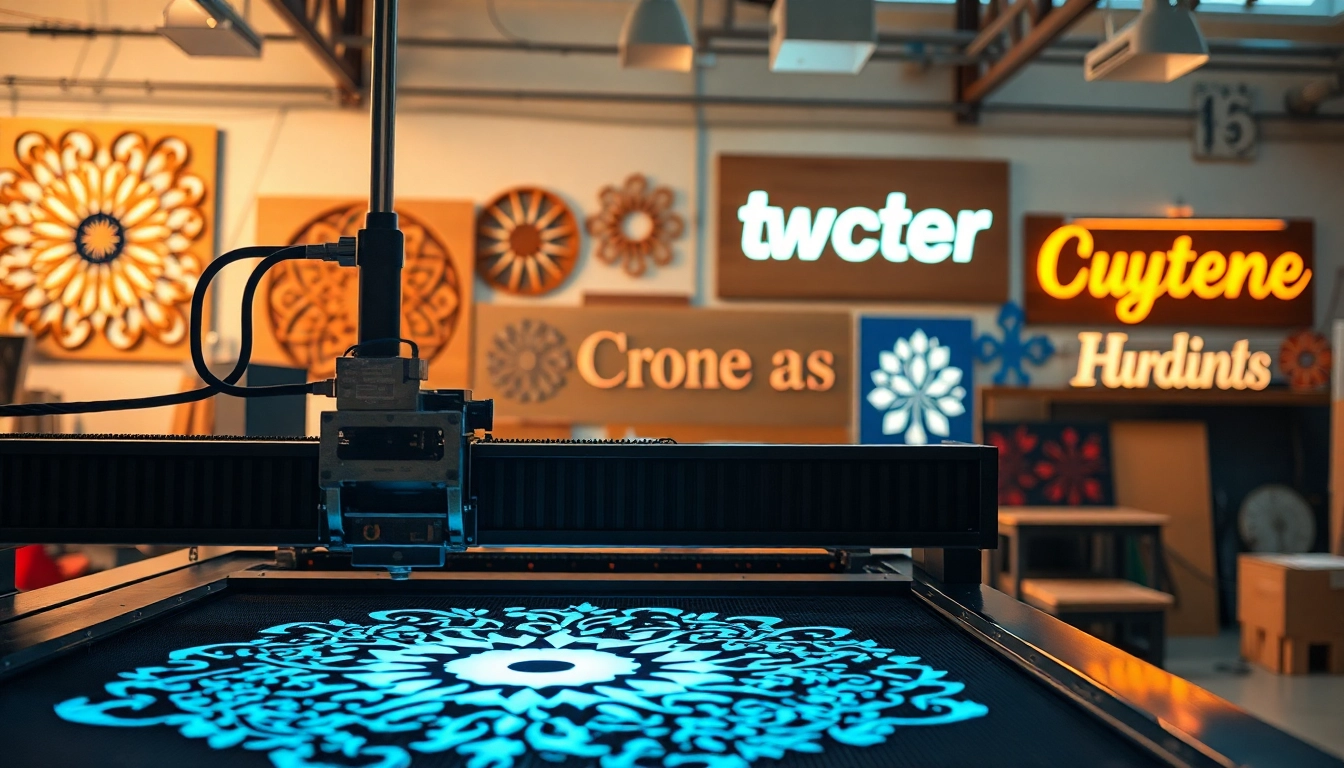
Understanding Laser Cutting Designs
What Are Laser Cutting Designs?
Laser cutting designs are intricate patterns and shapes created using a computer-guided laser cutting machine. The process involves directing a high-powered laser beam to cut through or engrave various materials with remarkable precision. Unlike traditional cutting methods, laser cutting relies on digital designs, allowing for complex and intricate shapes that often exceed the capabilities of manual techniques. This modern approach is not only efficient but also highly adaptable, making it a popular choice in various industries.
The essence of laser cutting designs lies in their laser cutting designs capabilities to deliver exact reproductions of digital models. These designs can range from simple geometric shapes to elaborate artworks, all made possible through the versatility of laser cutting technology.
Types of Materials Used in Laser Cutting
Laser cutting is compatible with a wide array of materials, which can broadly be classified into four categories: metals, plastics, wood, and textiles. Each material presents unique characteristics and behaviors when subjected to laser cutting, impacting design choices.
- Metals: This category includes stainless steel, aluminum, brass, and more. Laser cutting metals allows for exceptionally clean cuts and precise edges.
- Plastics: Common materials include acrylic, polycarbonate, and various thermoplastics. Laser cutting can achieve intricate designs with strong, accurate detailing.
- Wood: Both hardwoods and softwoods can be laser cut, enabling a range of artistic possibilities for furniture, crafts, and décor.
- Textiles: Fabrics like cotton, silk, and synthetic materials can be laser cut for fashion design, upholstery, and crafts.
Industries Utilizing Laser Cutting Designs
Laser cutting designs are utilized across numerous sectors, highlighting the technology’s versatility. Some notable industries include:
- Manufacturing: Precision components are produced with minimal waste, enhancing efficiency.
- Architecture: Detailed models and intricate designs for buildings and interiors.
- Fashion: Cutting fabrics with precision for unique clothing pieces and accessories.
- Signage: Creating customized signs that require intricate detailing and branding capabilities.
Benefits of Laser Cutting Designs
Precision and Accuracy in Production
The use of laser cutting technology guarantees exceptional precision, allowing for extremely tight tolerances. This accuracy ensures that components fit seamlessly together, which is critical in fields such as manufacturing and engineering. The laser’s focused beam enables intricate designs to be cut without the risk of damaging adjacent areas, maintaining the integrity of the material.
Customizability and Versatility
Laser cutting designs offer unparalleled customizability. Manufacturers can easily modify designs to suit specific needs, producing one-off items or large batch runs without needing extensive retooling. This flexibility makes laser cutting ideal for prototyping, where rapid modifications can be made to meet changing project requirements.
Cost-Effectiveness Compared to Traditional Methods
While initial investments in laser cutting technology can be significant, the long-term savings often outweigh these costs. Reduced material waste, faster turnaround times, and lower labor costs contribute to a more economical production process. Moreover, the automation capabilities of laser cutters often lead to fewer human errors, which translates into lower overall expenses.
Techniques for Creating Laser Cutting Designs
Design Software Options
Creating laser cutting designs typically involves graphic design software tailored for vector graphics. Some of the popular software options include:
- Adobe Illustrator: Ideal for creating complex vector art that can be readily converted into laser cutting files.
- CorelDRAW: A user-friendly option known for its robust features specifically designed for graphic designers.
- Inkscape: This open-source software provides essential tools for creating laser cutting designs without the cost.
- AutoCAD: Often used in architectural and engineering fields for precise technical drawings suitable for laser cutting.
Best Practices in Designing for Laser Cutting
To achieve optimal results in laser cutting, several best practices should be followed:
- Design using vectors, as raster images can result in lower quality cuts.
- Ensure that all lines intended to be cut are appropriately assigned stroke widths.
- Utilize layers for organization and clearer visibility of different elements in complex designs.
- Test cuts can be beneficial to assess the design’s feasibility and material behavior.
Prototyping and Testing Your Designs
Prototyping is a crucial phase in the design process, particularly when working with new materials or complex projects. By producing small-scale versions of designs, designers can evaluate aspects like assembly, aesthetics, and functionality. Testing also helps identify potential issues or miscalculations before full-scale production, significantly reducing the risk of costly errors.
Common Challenges in Laser Cutting Designs
Mistakes to Avoid When Designing
Several common pitfalls can arise during the design phase. Avoiding these mistakes can streamline the laser cutting process:
- Using too thin lines, which may not cut properly.
- Neglecting to account for kerf, the material removed during cutting.
- Overcomplicating designs with excessive detail that can cause the machine to struggle.
- Failing to consider the cutting speed and power settings appropriate for each specific material.
Material Limitations and Solutions
Each material has its unique limitations and required techniques when engaging in laser cutting. For instance, some materials may release toxic fumes when cut, necessitating proper ventilation. It’s crucial to understand each material’s properties and limitations to select the right laser cutting parameters, ensuring safe operations and high-quality outputs.
Maintaining Machine Performance
Regular maintenance of laser cutting machines is essential for sustaining their performance and longevity. Basic maintenance practices include:
- Routine cleaning of lenses and mirrors to ensure optimal laser performance.
- Checking and tightening all mechanical components to prevent wear and tear.
- Updating software and firmware to leverage new functionalities and improvements.
Frequently Asked Questions about Laser Cutting Designs
What software is best for designing laser cutting projects?
Adobe Illustrator, CorelDRAW, and Inkscape are widely used for creating laser cutting projects due to their vector graphic capabilities. AutoCAD is also excellent for technical projects.
Can laser cutting work on all types of materials?
No, laser cutting is suitable for materials like wood, acrylic, metals, and textiles, but not all materials can be effectively or safely cut.
How do I ensure precision in my laser cutting designs?
Utilizing vector graphics, testing cut settings for specific materials, and ensuring appropriate line thickness are vital for enhancing precision in designs.
What industries benefit most from laser cutting?
Manufacturing, fashion, architecture, and signage industries notably benefit from laser cutting due to its precision, versatility, and efficiency.
Are laser cutting designs environmentally friendly?
Laser cutting is generally more eco-friendly than traditional methods due to reduced waste and energy efficiency; however, material selection can impact environmental influence.