Understanding Spray Foam Removal
What is Spray Foam?
Spray foam is a type of insulation material that is sprayed into place, expanding on contact to create an airtight seal. Often derived from polyurethanes, spray foam can be applied in both open-cell and closed-cell formulations, each having specific applications based on thermal resistance and moisture barrier properties. Open-cell foam is soft and flexible, making it ideal for interior applications, while closed-cell foam is denser and provides superior water and vapor resistance, making it suitable for exterior uses. It has gained popularity due to its excellent insulating properties, energy efficiency, and sound-proofing capabilities.
Common Reasons for Removal
Despite its benefits, there are several reasons why homeowners and builders may opt for spray foam removal. One major reason is when there are issues related to mold growth. If moisture gets trapped behind the foam, it can create an ideal environment for mold, necessitating removal. Another reason is damage to the foam, which can occur due to pests or physical impacts. Homeowners may also need to remove spray foam to upgrade insulation or perform renovations, as changes in building codes may require different insulation materials or methods.
Health and Safety Considerations
Safety is paramount when considering spray foam removal. The materials used can release harmful chemicals and fumes during the removal process. Those involved should be equipped with adequate ventilation and protective equipment, including masks, gloves, and goggles. Additionally, it’s crucial to understand the health implications associated with exposure to the chemicals and potential irritants found in the foam. Taking proper precautions is essential to avoid breathing in harmful particles or getting skin irritations.
Tools and Equipment for Spray Foam Removal
Essential Tools Overview
To effectively remove spray foam, a variety of tools are necessary. The primary tools include utility knives, scrapers, and heat guns. Utility knives are used to cut through the foam layers, while scrapers help remove residue without damaging the underlying surfaces. Heat guns can soften the foam, making it easier to scrape away, but must be used with caution to avoid damaging the structures beneath.
Choosing the Right Equipment
Selecting the right equipment based on the specific type of spray foam and the surface underneath is crucial. While a utility knife might suffice for thinner layers of open-cell foam, thicker closed-cell foam may require the use of a heat gun or even specialized removal equipment for effective extraction. Moreover, assessing the site conditions—whether indoors or outdoors—can influence equipment choices, ensuring an efficient and safe removal process.
Safety Gear Requirements
Workers should be well-protected when removing spray foam. Essential safety gear includes respirators to filter harmful fumes, goggles to protect eyes from particles, gloves to prevent skin contact with irritants, and protective clothing to avoid exposure. Adequate safety protocols also involve ensuring that electricity supplies are turned off when using electric tools near removing foam and having first aid kits readily available.
Step-by-Step Guide to Spray Foam Removal
Pre-Removal Preparations
Before starting the removal process, thorough preparation is necessary. First, assess the area to determine the extent of the foam application and plan accordingly. Cover surrounding areas with drop cloths to protect them from debris and dust generated during removal. Ensure that all necessary tools and equipment are on hand. It’s advisable to inform others in the vicinity about the removal to minimize disturbances and ensure everyone is aware of safety measures in place.
Application of Removal Techniques
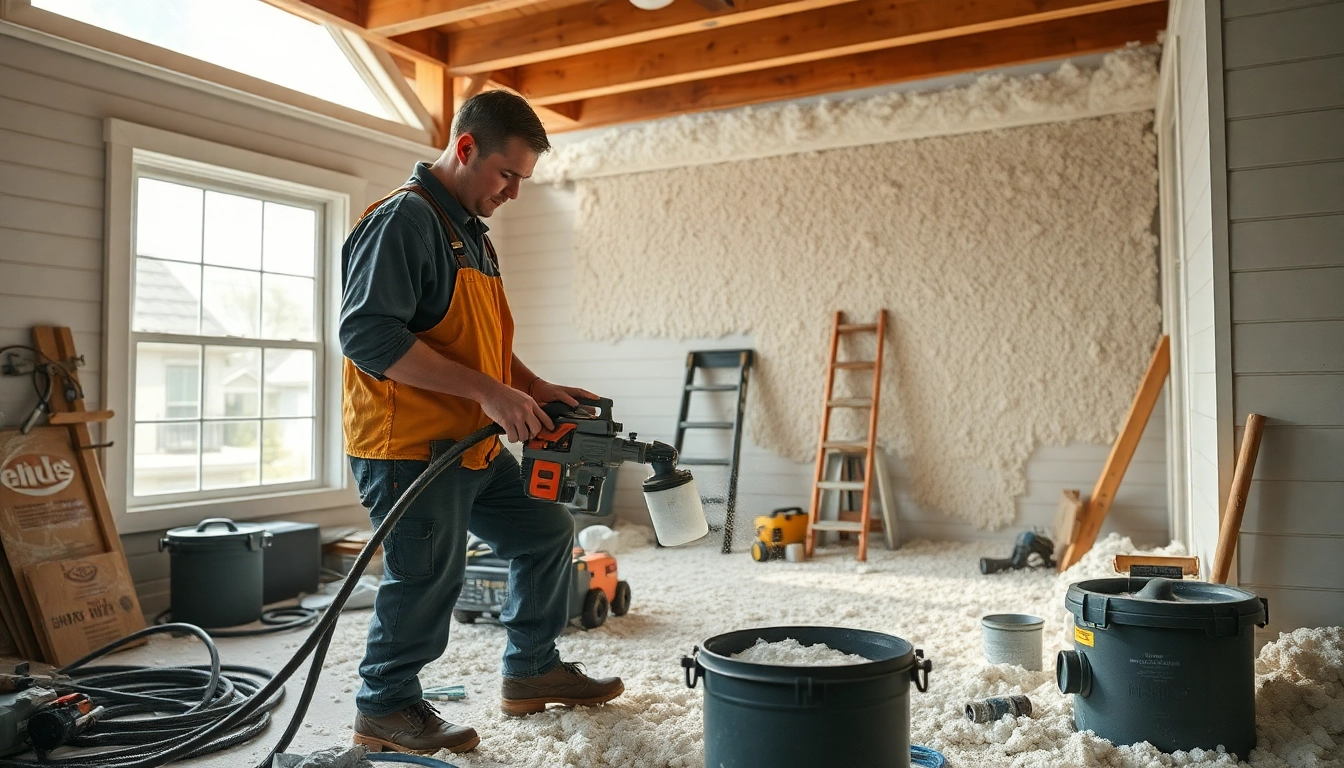
The actual removal process begins with cutting the foam. Carefully use a utility knife to slice through the foam at manageable sections. Once cut, use scrapers to detach the foam from the surface. If the foam resists removal, apply a heat gun to soften it further. For particularly stubborn layers, consider using chemical removers designed explicitly for foam, but always refer to safety data sheets to ensure safe handling. Throughout the process, continually check for signs of structural damage to address potential issues promptly.
Post-Removal Cleanup
Once the foam has been successfully removed, the next step is cleaning the area. Collect all foam debris and dispose of it in accordance with local regulations. Vacuum the area to eliminate fine particles and residual dust. Finally, inspect the underlying surface for any damage that may need repairs before either reinstalling insulation or sealing the area. Ensuring the proper cleanup not only enhances safety but also prepares the area for future improvements.
Best Practices for Spray Foam Removal
Preventing Damage to Surfaces
One of the main concerns during spray foam removal is preventing damage to the underlying surfaces. Always begin removal from the edges and work inward to minimize stress on the surface. Using the right tools, such as non-abrasive scrapers, can help avoid gouging or scratching. Patience is critical; rushing the process often leads to mistakes that can incur additional costs for repairs.
Timing and Weather Considerations
Timing plays a crucial role in the spray foam removal process. Ideally, this work should be done in moderate weather conditions—avoiding extreme temperatures that can affect the foam’s consistency. In colder conditions, foam may harden, making it more difficult to remove whereas excessive humidity can lead to mold growth if the area is adequately sealed.
Expert Tips for Efficiency
Efficiency during removal can be enhanced by employing some key expert tips. Work in small sections and conduct frequent assessments of progress. Using a combination of different tools can speed up removal times; for instance, employing a reciprocating saw for large sections of closed-cell foam can significantly reduce labor time. Additionally, maintaining proper ventilation will help clear out fumes and debris as you work, improving visibility and comfort throughout the process.
Frequently Asked Questions about Spray Foam Removal
What is the average cost of spray foam removal?
The cost of spray foam removal can vary widely based on factors like the location and the amount of foam to be removed, ranging from $1 to $3 per square foot on average.
Can I remove spray foam myself?
While it’s possible to remove spray foam oneself, it’s advised to consult professionals, especially if the task is extensive or if safety concerns exist.
How long does the removal process take?
The duration of spray foam removal can depend on the amount of foam and surface area involved, typically taking anywhere from a few hours to several days.
Will removing spray foam damage my property?
Improper removal of spray foam can potentially damage surfaces, particularly if excessive force is used. However, with careful techniques, damage can often be avoided.
What are the risks of improper removal?
Risks from improper removal include inhalation of fumes, physical injury from tools, or structural damage to property. Following safety protocols is essential to mitigate these risks.