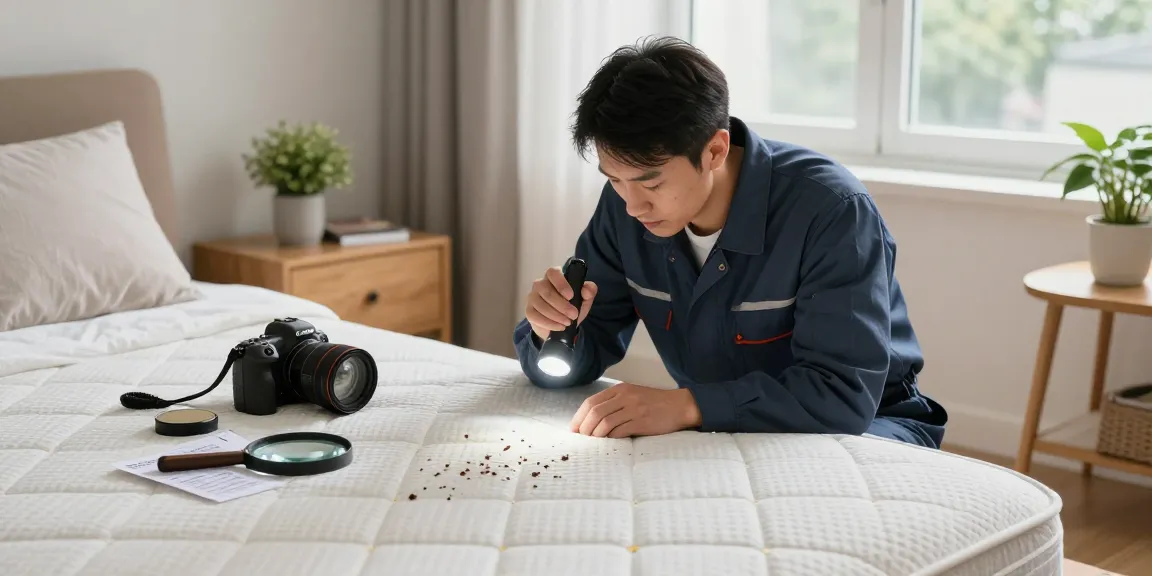
Understanding Bed Bugs: The Unseen Threat
Bed bugs are more than just a nuisance; they can disrupt your life significantly if left untreated. These tiny creatures, often undetectable to the naked eye, can invade homes, hotels, and even offices, causing stress and anxiety for those affected. As a leading bed bug exterminator service in Milwaukee, we understand the importance of education in tackling these infestations. This guide will delve into the biology of bed bugs, the signs of their presence, and how they successfully invade our spaces.
What Are Bed Bugs and How Do They Infest?
Bed bugs (Cimex lectularius) are small, flat, and oval-shaped insects that feed on human blood. Their size makes them adept at hiding in various locations, including mattress seams, behind wallpaper, and in cracks and crevices. Infestations often start when these pests hitch a ride into homes on luggage, clothing, or used furniture. Once inside, they can reproduce quickly, making early detection crucial.
Signs of a Bed Bug Infestation: What to Look For
Identifying a bed bug infestation is not always straightforward. Here are some visual indicators to watch for:
- Dark spots of bed bug excrement on bedding or furniture.
- Small bloodstains on sheets, often resulting from crushed bugs.
- Presence of eggs or shed skins in hiding spots.
- Itchy welts on your skin, often appearing in clusters or lines.
If you notice any of these signs, it’s essential to act swiftly and contact a professional for an inspection and treatment plan.
The Bed Bug Lifecycle: From Eggs to Adults
The bed bug lifecycle consists of several stages: egg, nymph (or juvenile), and adult. Female bed bugs can lay up to seven eggs daily, leading to rapid population growth if not controlled. Understanding their lifecycle helps in formulating an effective extermination strategy.
Eggs hatch in about a week, and nymphs go through five stages before becoming adults. A single bed bug can live for several months without feeding, allowing infestations to persist even when food sources are sparse. This resilience makes it imperative to consult with a bed bug exterminator as soon as possible.
Choosing the Right Bed Bug Exterminator
Not all pest control services are equal. Selecting the right exterminator requires careful consideration of various factors to ensure effective treatment. Here, we will explore how to identify a reliable professional.
What to Consider When Hiring a Bed Bug Exterminator?
When seeking a bed bug exterminator, consider the following:
- Experience and specialization in bed bug control.
- Reviews and testimonials from past clients.
- Methods and technologies used for extermination.
- Availability of follow-up services to ensure complete eradication.
Ensuring these criteria meet your needs will significantly enhance the chances of a successful bed bug treatment.
Cost Factors: What to Expect from Exterminator Pricing
The cost of bed bug extermination varies widely based on several factors, including:
- The size of the infestation.
- The treatment method chosen (heat vs. chemical).
- Location and accessibility of treatment areas.
Typically, heat treatments may be more expensive upfront but can save money in the long run by eliminating the need for multiple visits.
Qualities of a Reliable Bed Bug Exterminator
A trustworthy bed bug exterminator should possess several key qualities:
- Comprehensive knowledge about bed bug behavior and treatment options.
- Clear communication regarding treatment plans and follow-up requirements.
- Use of eco-friendly and safe products.
- Commitment to customer satisfaction and education.
Choosing someone who embodies these qualities will ensure a more effective and satisfactory extermination process.
Effective Bed Bug Treatment Methods
Once you’ve chosen a reputable exterminator, understanding the available treatment methods can empower you as a homeowner. Here, we’ll discuss the most effective techniques for eliminating bed bugs.
Heat Treatment vs. Chemical Treatment: Which is Better?
Heat treatment involves raising the temperature of the infested area to a level that is lethal for bed bugs at all life stages. It’s eco-friendly and can provide immediate results. However, it may require additional preparation compared to chemical treatments, which involve applying insecticides that create a residual barrier.
Both methods have their advantages, and often, a combination of both is employed for maximum effectiveness. Discussing the potential benefits and limitations of each with your exterminator can guide you in making the best choice for your situation.
Overview of Chemical Spray Treatment Techniques
Chemical treatments involve the application of insecticides that are designed to penetrate bed bug hiding spots. These sprays can remain effective for up to 120 days, providing a long-lasting barrier against re-infestation. Proper preparation is essential for these treatments to work effectively, and proper follow-up is crucial to ensure all bugs and eggs are eliminated.
Innovative Solutions in Bed Bug Extermination
In addition to traditional methods, innovative solutions such as K9 inspections and monitoring traps are becoming increasingly popular. K9 units can detect bed bugs with remarkable accuracy, often before a visual inspection would identify them. Meanwhile, monitoring traps can help gauge the effectiveness of ongoing treatments and ensure any remaining bugs are quickly addressed.
Preventing Future Bed Bug Infestations
Once you’ve dealt with a bed bug infestation, prevention becomes the next priority. Here are actionable tips to keep your home free from future invasions.
Regular Inspection Tips for Homeowners
Regular inspections should be a part of every homeowner’s routine. Check common hiding spots such as mattresses, furniture seams, and behind headboards. Early detection is key to preventing a larger infestation.
Best Practices for Keeping Bed Bugs Out of Your Home
To minimize the risk of bed bugs entering your home:
- Avoid bringing used furniture or mattresses into your home without thorough inspection.
- Encapsulate mattresses and box springs to prevent bed bugs from taking residence.
- Be vigilant when traveling; inspect hotel rooms and keep luggage elevated.
Educating Yourself on Bed Bug Prevention
Continuous education on bed bugs can empower you to effectively prevent and manage potential issues. Resources from pest control experts and local public health departments can provide up-to-date information and strategies for keeping your home safe.
FAQs About Bed Bug Exterminators
Many homeowners have questions about the extermination process and what to expect. Here are some common inquiries.
How long does it take for a bed bug exterminator to work?
Results can vary based on the chosen method, but most exterminators provide an initial treatment that should show results within a few days. Comprehensive plans may require follow-up treatments.
Can a bed bug exterminator guarantee elimination?
While no exterminator can provide a total guarantee, reputable services will have a strong track record of success and follow-up options to address any remaining issues.
What preparations are needed for extermination treatments?
Preparation varies by treatment type. Typically, you’ll need to clear the area around your bed and furniture, wash bedding in hot water, and sometimes vacate the premises for a set period.
Are bed bug extermination methods safe for pets?
Most professional pest control companies use pet-safe products. It’s always best to discuss your pets’ health and safety with your exterminator, who can recommend a treatment plan that minimizes risk.
Why shouldn’t I try DIY solutions for bed bugs?
DIY solutions often lack the effectiveness needed to combat a full-scale infestation, as they may not reach all hiding spots or may not utilize the right products. Professional exterminators use potent, residual insecticides that are proven to eliminate bed bugs efficiently.