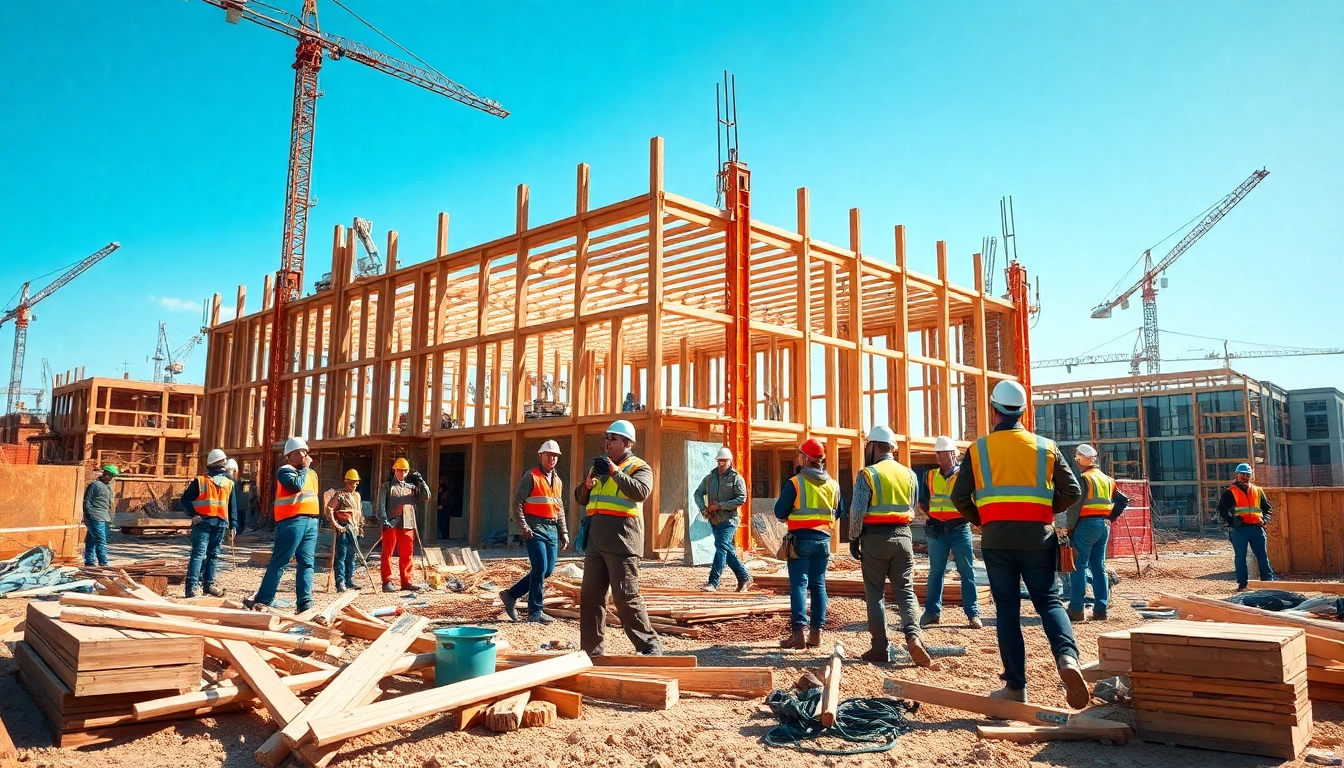
Introduction to Construction Classes
Construction is a dynamic field, teeming with opportunities for those equipped with the right skills and knowledge. The demand for skilled workers in the construction industry continues to rise, emphasizing the importance of structured education, particularly through construction classes. These courses not only provide foundational knowledge but also hone practical skills essential for safety and efficiency on job sites.
Understanding the Importance of Construction Classes
Construction classes play a crucial role in shaping the future of construction professionals. They bridge the gap between theoretical concepts and practical application. Through these classes, students learn technical specifications, methodical procedures, and environmental considerations that are integral for successful project execution. The modern construction environment is continually evolving, which makes it imperative for workers to stay updated with current trends and technologies.
Types of Construction Classes Available
There is a wide array of construction classes available to cater to various interests and career goals within the industry. These include:
- Basic Construction Skills: Introductory courses that cover fundamental topics such as framing, plumbing, and electrical systems.
- Advanced Techniques: Specialized classes focusing on advanced skills like project management, building design, and sustainable construction practices.
- Safety and Compliance: Courses that emphasize workplace safety regulations, OSHA standards, and hazard identification.
- Certification Programs: These classes can lead to different certifications, enhancing credibility and employability.
Core Skills Developed in Construction Classes
Technical Skills in Construction Classes
One of the primary outcomes of construction classes is the development of robust technical skills. These include mastery of tools, machinery operation, and understanding blueprints. Students engage in hands-on training, allowing them to apply theoretical knowledge practically. Learning to read structural drawings or perform mathematical calculations pertinent to construction tasks is essential for success in this field.
Safety Training in Construction Classes
Safety is paramount in the construction industry. Construction classes incorporate comprehensive safety training that covers risk management, emergency protocols, and site safety regulations. Students learn to identify potential hazards and apply safe practices to mitigate risks effectively. This training not only protects workers but also enhances team efficiency and productivity.
Soft Skills Enhanced Through Construction Classes
In addition to technical prowess, construction classes foster essential soft skills. Effective communication, teamwork, and problem-solving abilities are crucial in collaborative construction environments. Students learn how to articulate ideas, address conflicts, and work harmoniously with diverse teams, which is vital for ensuring projects run smoothly.
Benefits of Enrolling in Construction Classes
Career Opportunities from Construction Classes
Enrolling in construction classes opens doors to a range of career opportunities. Graduates can pursue various roles, from general laborer positions to specialized trades such as electricians and plumbers. Furthermore, with added certifications, individuals may progress into supervisory or project management roles, significantly enhancing their career trajectories.
Networking and Industry Connections Through Construction Classes
Another significant advantage of construction classes is the networking potential they provide. Gain access to a community of industry professionals, instructors, and peers who can serve as valuable contacts throughout one’s career. Engaging with experienced individuals can lead to job placements and mentorship opportunities.
Real-world Experience Gained in Construction Classes
Many construction classes involve practical components that simulate real-world scenarios. This hands-on experience is invaluable, allowing students to apply what they’ve learned in a controlled environment. This practice builds confidence and prepares students for the expectations and challenges they will face on actual job sites.
How to Maximize Your Learning Experience in Construction Classes
Setting Goals for Your Construction Classes
To make the most of construction classes, students should establish clear, achievable goals. Setting objectives about what skills to acquire or projects to complete can provide focus and motivation throughout the learning experience. Whether aiming for a specific certification or mastering a particular trade, setting goals gives purpose to the educational journey.
Engaging with Instructors and Peers in Construction Classes
Active participation in classes enhances learning. Students should engage with instructors by asking questions and seeking feedback. Additionally, collaborating with peers can foster a richer learning experience, as sharing insights and techniques can deepen understanding and retention of material.
Utilizing Resources Provided in Construction Classes
Many construction classes offer a wealth of resources, including textbooks, online materials, and access to industry tools. Utilizing these resources effectively can reinforce learning and provide supplementary information essential for mastering the subject matter. Students are encouraged to take full advantage of these assets.
Frequently Asked Questions about Construction Classes
Are construction classes worth the investment?
Yes, investing in construction classes can pay off significantly by enhancing skills and improving employability, leading to better job opportunities and potentially higher wages.
What prerequisites are needed for construction classes?
Most construction classes have minimal prerequisites, typically requiring a high school diploma or equivalent. Some advanced classes may require prior experience or foundational courses.
How long do construction classes typically take?
Duration varies by program, with basic classes lasting several weeks to months, while certificate programs can range from a few months to a year depending on the curriculum.
Will I receive a certification after completing construction classes?
Many construction classes offer certificates upon successful completion, signaling proficiency in the subject matter and improving job prospects.
Can I find online construction classes?
Yes, numerous institutions offer online construction classes, allowing for flexible learning options suited to various schedules, making education more accessible.