The Benefits of LVT Flooring
Luxury Vinyl Tile (LVT) flooring has rapidly gained popularity in both residential and commercial spaces due to its remarkable attributes that balance beauty with performance. This versatile flooring option enhances interior aesthetics while providing practical benefits that can transform any space. From lvt flooring durability to design versatility, it meets the demands of modern lifestyles.
Durability and Longevity
LVT flooring is engineered to withstand the rigors of daily life, making it an exceptional choice for high-traffic areas. Its multi-layer construction, which includes a top wear layer, provides resistance against scratches, scuffs, and stains. This level of durability ensures that LVT maintains its appearance even in the busiest homes or commercial settings. Furthermore, many manufacturers offer warranties that reflect the longevity of their products, typically ranging from 10 to 25 years, thus providing peace of mind for homeowners and business owners alike.
Design Versatility
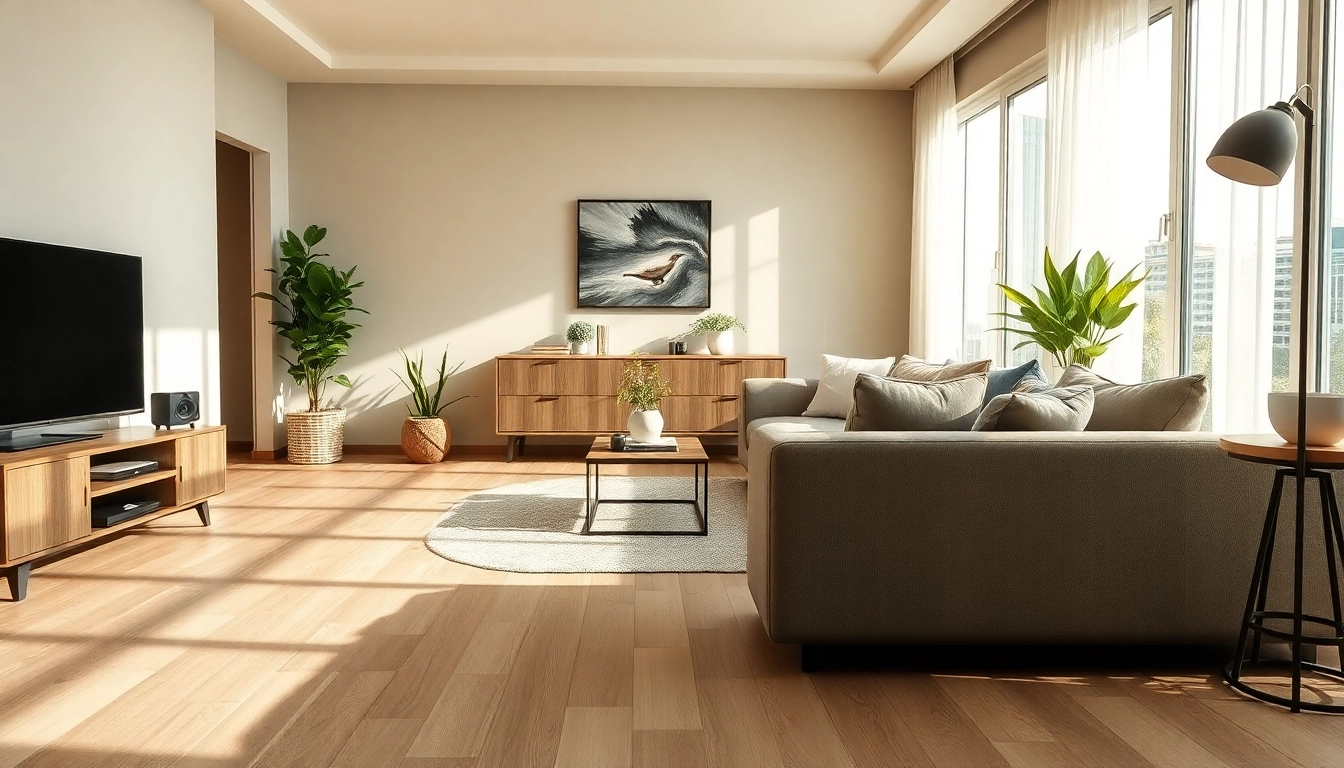
One of the standout features of LVT flooring is its extensive range of design options. With advancements in printing technology, LVT can be produced to mimic various materials, such as hardwood, stone, and ceramic, offering a rich aesthetic at a fraction of the cost. Homeowners can choose from an array of colors, textures, and patterns, allowing for creative freedom in interior design. This versatility means LVT can complement any decor style, from modern to rustic, enhancing the overall ambiance of any room.
Comfort and Warmth
Unlike traditional tile or stone flooring, LVT offers a softer and warmer underfoot, making it a comfortable choice for both living areas and kitchens. It has the potential to absorb sound, which can help in creating a quieter home environment. Additionally, LVT is compatible with radiant heating systems, allowing homeowners to enjoy a cozy floor during colder months, enhancing the comfort factor in any living space.
How to Choose the Right LVT Flooring
Choosing the right LVT flooring involves careful consideration of various factors to ensure that it meets your specific needs and preferences. Understanding your space’s requirements, exploring color and texture options, and evaluating cost versus value are essential steps in this decision-making process.
Understanding Your Space’s Needs
Evaluating the intended use of the space is crucial when selecting LVT flooring. High-traffic areas, such as hallways or living rooms, require durable options with a thicker wear layer for enhanced protection. Conversely, for quiet bedrooms, softer textures may be preferable. Assessing factors including moisture levels—especially in kitchens and bathrooms—can also help in selecting the best LVT type that aligns with your lifestyle.
Color and Texture Options
When it comes to color and texture, LVT flooring provides endless possibilities. Darker colors can create a cozy feel, while lighter shades can open up a space, making it feel larger and brighter. Textured finishes can add depth and realism to the flooring, mimicking the natural grain of wood or the cool touch of stone. Consider opting for a color palette that complements existing furnishings and enhances the overall design theme of your spaces.
Cost Vs. Value Considerations
While LVT flooring is often more affordable than natural materials like hardwood or real stone, it’s essential to balance cost with long-term value. Investing in higher-quality LVT may lead to better durability and longevity, which can save money on replacements and repairs in the long run. Always consider the warranty terms offered by manufacturers, as they can provide insight into the product’s expected lifespan and reliability.
Installation Processes for LVT Flooring
Proper installation is crucial for maximizing the performance and longevity of LVT flooring. Understanding the different installation processes, including preparing the subfloor, options for DIY versus professional installation, and maintenance tips, can lead to a successful flooring transformation.
Preparing Your Subfloor
Before laying LVT flooring, it’s essential to ensure the subfloor is clean, dry, and level. Any imperfections or debris can hinder the installation and affect the performance of the flooring. Repairing cracks, removing old flooring materials, and using an underlayment can significantly enhance the final outcome. Proper preparation not only ensures an aesthetically pleasing appearance but also helps in maximizing the lifespan of the flooring.
DIY vs. Professional Installation
Choosing between DIY installation and hiring professionals can depend on your skills, tools available, and the complexity of the project. DIY installation may save costs and can be relatively straightforward, especially with click-lock LVT options. However, professional installers guarantee precision, which is particularly important for complex patterns or large areas. If pursuing DIY, ensure to follow the manufacturer’s guidelines for layout and installation to achieve the best results.
Maintenance Tips Post-Installation
Once LVT flooring is installed, maintaining its beauty and functionality involves regular upkeep. Sweeping or vacuuming regularly prevents dirt buildup. For deeper cleaning, use a damp mop with a gentle cleaner specifically designed for LVT. Avoid harsh chemicals that can degrade the flooring over time. Additionally, placing mats at entry points can help minimize wear and tear, preserving the flooring’s appearance for years to come.
Comparing LVT Flooring with Other Flooring Options
Understanding how LVT compares against other flooring options can assist in making informed decisions tailored to your individual needs. This section will delve into comparisons with hardwood, laminate flooring, and a straightforward cost comparison to guide your selection process.
LVT vs. Hardwood Flooring
Hardwood flooring offers timeless beauty but comes with a higher price tag and maintenance demands. While wood flooring can scratch and dent, LVT’s robust construction provides resistance to these issues. Additionally, LVT is water-resistant, making it suitable for various settings, including kitchens and bathrooms. Homeowners seeking aesthetic appeal without the upkeep and cost of hardwood may find LVT flooring to be a compelling alternative.
LVT vs. Laminate Flooring
Both LVT and laminate flooring are cost-effective alternatives to natural materials. However, LVT offers greater water-resistance and better sound absorbency compared to laminate. Additionally, LVT’s capacity to mimic various textures and finishes can create a more authentic look than laminate can provide. While both options are attractive, LVT provides an edge in functionality and longevity, making it a more practical investment.
Cost Comparison Explained
When comparing costs, it’s essential to consider more than just the upfront price per square foot. Installation costs, maintenance expenses, and potential longevity should all factor into the final calculations. While LVT may edge out initial pricing over materials like hardwood, its durability and minimal maintenance can yield substantial savings over time, leading to a favorable overall cost of ownership.
Frequently Asked Questions
What is LVT flooring made of?
LVT flooring consists of multiple layers, featuring a PVC backing, a design layer with printed patterns, and a clear wear layer that provides durability and protection against everyday wear and tear.
Is LVT flooring waterproof?
Yes, LVT flooring is waterproof, making it highly suitable for installations in moisture-prone areas such as kitchens and bathrooms without concerns of warping or damage over time.
How do I clean LVT flooring?
To clean LVT flooring, simply sweep or vacuum regularly to remove dirt and debris. For deeper cleaning, use a damp mop with a mild cleaner designed for LVT to avoid damage without harsh chemicals.
Can I install LVT flooring myself?
Yes, LVT flooring can be installed as a DIY project, particularly with floating floor options. However, professional installation may provide more precision, particularly for large spaces or complex patterns.
How long does LVT flooring last?
With proper care and maintenance, LVT flooring can last 20 years or more, offering durability and a long-lasting solution for both residential and commercial spaces.