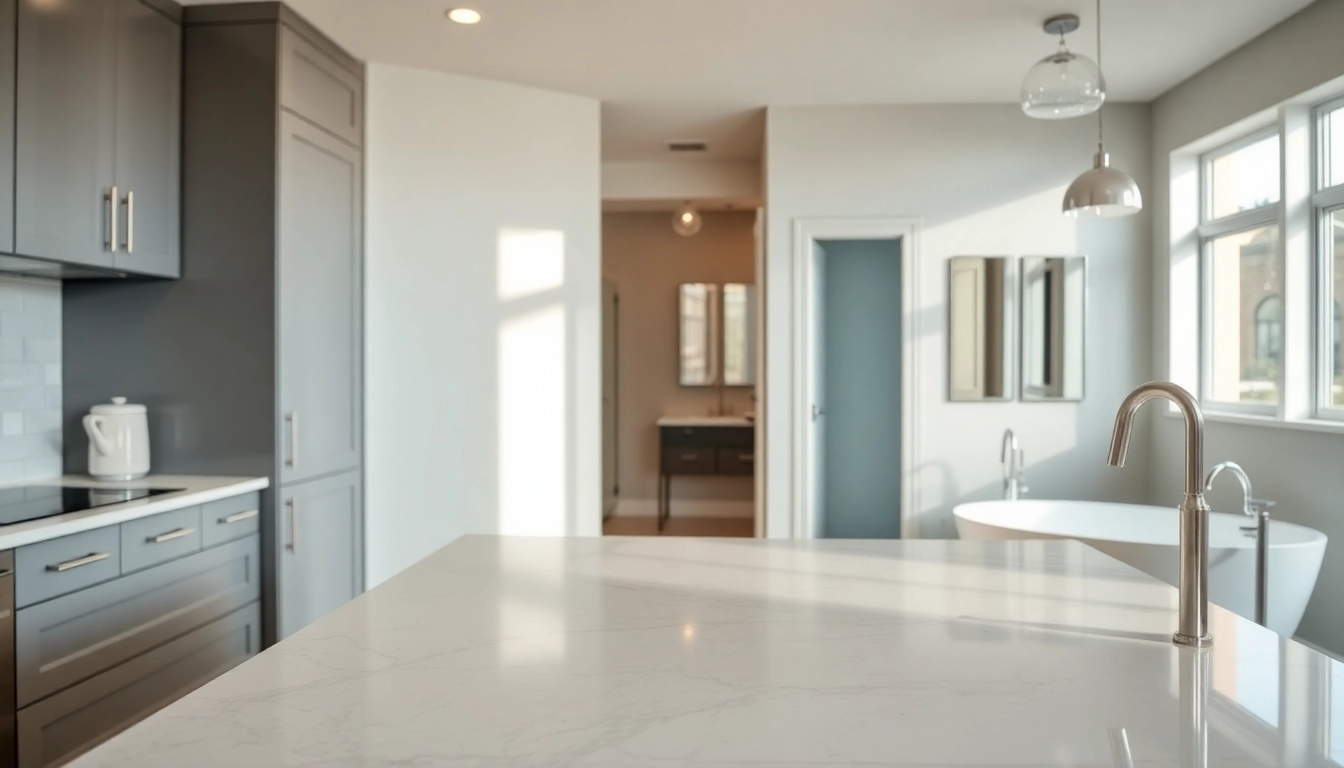
Understanding Kitchen and Bathroom Renovation
Renovating your kitchen and bathroom serves as an essential improvement for any home. These spaces are often the most utilized yet overlooked, making their renovation critical for both aesthetic appeal and functionality. A well-planned kitchen and bathroom renovation can significantly enhance your home’s value while providing you with a sanctuary at the heart of your daily routines.
The Importance of Renovation
Kitchen and bathroom renovations are more than just cosmetic upgrades; they represent a potential increase in your home’s market value and energy efficiency. According to various real estate experts, well-executed renovations in these areas can yield returns of over 70% on your investment. Improvements may include upgraded appliances, better lighting, improved layout, and modern design features that reflect current trends while fitting your personal style.
Common Trends in Renovation Design
Renovation design trends shift over time, but some elements remain perennial favorites. Open floor plans continue to dominate kitchen designs, fostering both creativity and communal spaces. Earthy colors and natural materials have gained popularity, emphasizing a connection to the outdoors. In bathrooms, spa-like features such as rainfall showerheads, freestanding tubs, and heated floors are highly sought after, providing a personal retreat feel.
Identifying Your Renovation Needs
Before embarking on a renovation project, clearly identify your needs. Assess current functionality—is your kitchen layout ergonomically pleasing? Does your bathroom have sufficient storage? Make a checklist of what bothers you the most and prioritize features that will significantly enhance usability and comfort.
Planning Your Kitchen and Bathroom Renovation
Once you’ve acknowledged your renovation needs, it’s time to delve into the planning phase. This process is crucial as it lays the groundwork for a successful renovation adventure.
Setting Your Budget for Renovation
Your budget serves as a roadmap throughout your renovation journey. Determine a realistic budget, accounting for both expected and unexpected costs. Factor in all elements, including labor, materials, and potential design fees. Research average costs in your area and consider allocating an additional 10-15% for unforeseen expenses that inevitably arise during renovations.
Choosing the Right Materials
The selection of materials can drastically affect the look, feel, and durability of your renovated space. When choosing materials, prioritize quality over cost; long-lasting materials often prove more economical in the long run. Consider sustainable options like bamboo flooring or recycled glass tiles. Match material choices to both design preferences and lifestyle needs—do you have young children or pets that could affect your flooring choice?
Hiring Professionals vs. DIY
This decision often comes down to your skill level and project complexity. For extensive renovations involving plumbing or electrical work, it’s advisable to hire certified professionals. However, for cosmetic updates, such as painting or tiling, DIY can be a rewarding and cost-effective option. Always weigh the value of your time and expertise against the cost of hiring skilled labor.
Executing Your Kitchen and Bathroom Renovation
The execution phase brings your vision to life. It is essential to follow a structured approach to ensure that every detail is handled properly.
Step-by-Step Renovation Process
Successful renovations adhere to a methodical process. Begin with demolition, removing outdated features while preparing for structural changes. Follow with plumbing and electrical work before installing larger fixtures like cabinets and countertops. Ensure thorough inspections are completed before moving on to finishing touches such as painting and decorating.
Managing Renovation Timelines
Time management is critical during renovations. Establish a timeline that accounts for each phase of work, while remaining flexible for potential delays. Keep lines of communication open with contractors and suppliers to ensure that all parties are on the same page. Regular check-ins can prevent miscommunications that could impact the overall schedule.
Dealing with Unexpected Challenges
Despite the best planning, challenges can arise. Expect the unexpected, from hidden structural issues to delivery delays. Develop a strategy in advance for navigating these hurdles—this might include a detailed contingency plan or even setting aside a portion of your budget specifically for these situations. Staying adaptable and patient will save you stress as you’re faced with unforeseen obstacles.
Optimizing Space in Your Kitchen and Bathroom
Efficient use of space is quintessential in kitchen and bathroom renovations, enhancing both aesthetics and usability.
Innovative Storage Solutions
Space optimization often requires creative storage solutions. In kitchens, utilize cabinets that extend to the ceiling and consider pull-out shelves or lazy Susans to maximize corner spaces. In bathrooms, vertical storage, such as shelves above the toilet or built-in cabinetry, provides additional storage without consuming valuable floor space.
Creating Flow and Functionality
The flow of a kitchen or bathroom affects how you interact with the space daily. Aim for a layout that encourages natural movement. In kitchens, the ‘work triangle’—the relationship between the sink, stove, and refrigerator—should be unobstructed. In bathrooms, ensure that there is enough clearance for doors and drawers to operate smoothly without hindering traffic flow.
Utilizing Must-Have Fixtures and Features
Invest in fixtures that marry style and function. In kitchens, consider features such as a farmhouse sink or an island with seating. Bathrooms can benefit from double vanities and large, walk-in showers. Adding touches like undercabinet lighting or a statement mirror can enhance the overall appeal and ambiance.
Post-Renovation Considerations
Following your renovation, several practices ensure your investment continues to pay off.
Maintaining Your New Space
Post-renovation maintenance is key to preserving your newly upgraded spaces. Implement a regular cleaning routine and attend to minor repairs promptly. Be proactive, as small issues can escalate if overlooked. It’s wise to create a maintenance schedule detailing when to conduct specific tasks, such as resealing countertops or checking plumbing connections.
Enhancing Home Value After Renovation
To truly capitalize on your renovation, consider how to maximize your home’s value. Highlight features during showings—such as soft-close drawers or energy-efficient appliances—that appeal to potential buyers. Proper documentation of your renovation, including warranties and receipts, can reassure buyers of your home’s quality.
Renovation Success Stories
Several homeowners have transformed their properties into dream spaces through successful kitchen and bathroom renovations. For example, one family swapped out a cramped kitchen for an open plan with a chef’s island, resulting in increased family interactions and a 30% increase in home value. Sharing these stories can inspire others to embark on their renovation journey and showcase the possibilities that await.
Frequently Asked Questions
What is the average cost of a kitchen renovation?
The average cost of a kitchen renovation varies widely depending on size and scope but typically ranges from $10,000 to $50,000.
How long does a kitchen and bathroom renovation usually take?
A kitchen and bathroom renovation can take anywhere from a few weeks to several months, depending on the extent of the work and contractor availability.
Do I need a permit for my renovation?
Permits are often required for major renovations, especially involving plumbing or electrical work. Check local regulations before starting your project.
Can I live in my home during renovations?
It’s possible to live in your home during renovations, but it may be inconvenient. Consider setting up temporary cooking and bathing arrangements during the process.
What are the benefits of hiring a contractor?
Hiring a contractor ensures professional oversight, compliance with codes, and access to skilled tradespeople, ultimately saving time and minimizing stress.