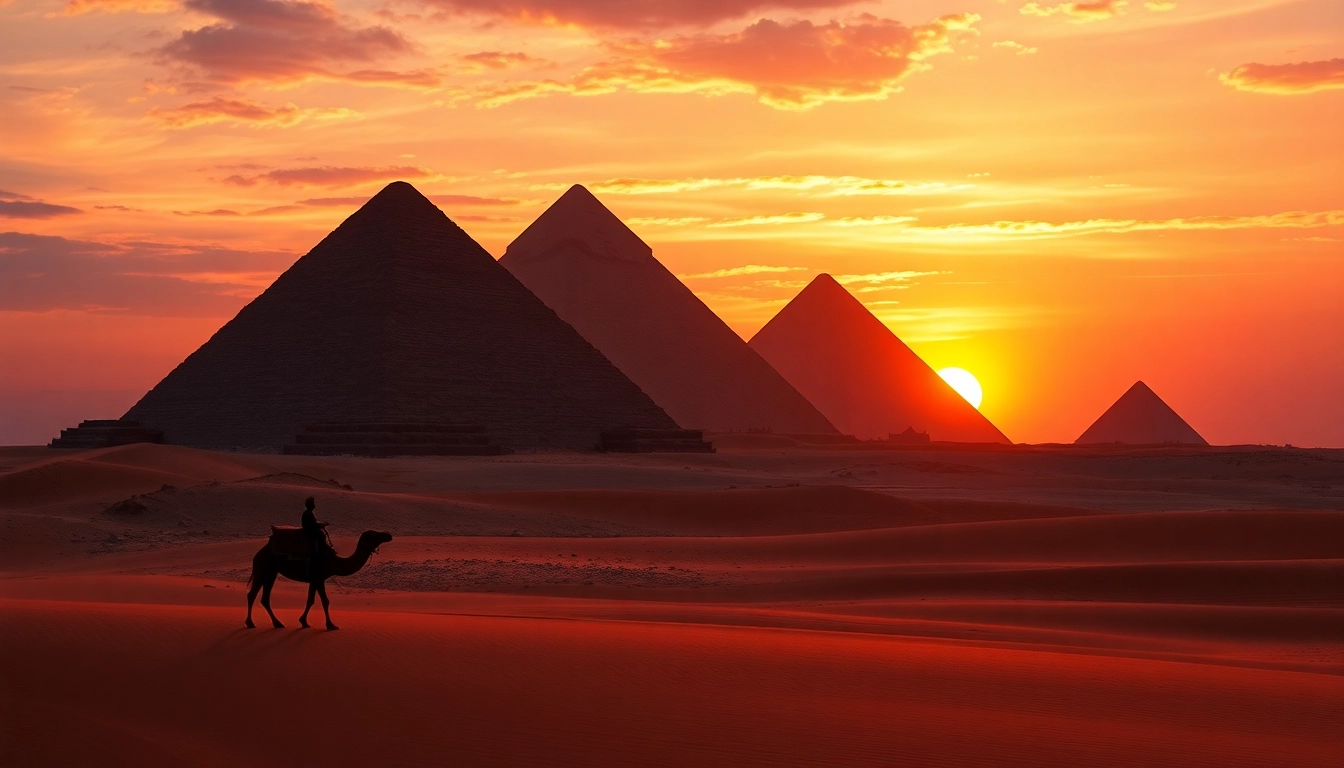
The majestic pyramids, particularly those on the Giza Plateau, continue to amaze and intrigue people around the globe. These monumental structures serve as a pinnacle of ancient architectural achievement, captivating historians, archaeologists, and cultural enthusiasts alike. At https://piraminds.com/, we delve into the depths of their history, construction techniques, cultural significance, and much more. This comprehensive guide seeks to unravel the mysteries surrounding these iconic structures, making it an essential resource for anyone interested in one of humanity's greatest architectural legacies.
The Historical Significance of the Pyramids
The Role of Pyramids in Ancient Egypt
The pyramids of Egypt were primarily built during the Old and Middle Kingdom periods, serving as monumental tombs for pharaohs and high-ranking dignitaries. Their construction symbolized the pharaohs' divine status, linking the terrestrial realm with the afterlife. The ancient Egyptians believed that the shape of the pyramid represented the rays of the sun, providing a direct pathway for the pharaoh's soul to ascend to the gods.
Pyramids as Tombs for Pharaohs
Each pyramid served as a tomb, facilitating the pharaoh's journey into the afterlife. The most notable of these, the Great Pyramid of Giza, was constructed for Pharaoh Khufu around 2580-2560 BCE. These grand structures housed elaborate burial chambers filled with treasures, food, and items the rulers would need in the afterlife. The intricate design not only buried the body but also protected it from grave robbers and the elements.
Architectural Innovations of the Pyramids
The construction of pyramids marked significant advancements in engineering and architecture. The transition from step pyramids to smooth-sided forms demonstrates an evolution in design efficiency and aesthetic considerations. The attention to layout and alignment with cardinal points showcases the ancient Egyptians' mastery over geometry and their celestial observations. Furthermore, the use of massive stone blocks worked in harmony with primitive tools highlights the ingenuity of ancient construction methods.
Construction Techniques of the Pyramids
Materials Used in Pyramid Construction
The primary building materials for the pyramids were limestone, granite, and basalt. Quarried from nearby locations, limestone was used for the bulk of the structure, while granite—often sourced from Aswan—was utilized for the inner chambers and facings. These materials were carefully selected for their durability and availability, ensuring that the pyramids would endure the test of time.
Labor Force and Methods
Contrary to popular belief, the pyramids were not built by slaves but rather a workforce of skilled laborers and artisans who were paid for their services. These workers lived in nearby temporary settlements, receiving food and care. The construction employed various techniques, including ramp systems and levers, to move the huge stone blocks into position. Archaeological evidence suggests that they used sledges and lubrication techniques to reduce friction during transport.
Challenges Faced During Construction
Construction of the pyramids faced numerous challenges, including logistical issues related to transporting massive stones, maintaining alignment, and addressing the harsh desert climate. The workforce had to contend with extreme temperatures, limited resources, and potential health hazards. However, the ancient Egyptians developed innovative solutions to overcome these obstacles, such as organizing labor in shifts and utilizing the seasonal flooding of the Nile to facilitate transport.
Cultural Impact of the Pyramids
Pyramids in Art and Literature
The pyramids have inspired countless works of art, literature, and culture throughout history and continue to serve as symbols of human achievement and mystery. In ancient literature, they were often depicted as an embodiment of eternal life and divine connection. Modern artists and authors frequently draw upon their majesty, underscoring the lasting legacy they have left across civilizations.
Tourism and Modern Engagement
Today, the pyramids remain one of the most visited tourist destinations in the world. Millions flock to the Giza Plateau each year to witness the grandeur of these ancient structures. Tours often include insights into their history, construction techniques, and cultural significance, fostering a deeper understanding of ancient Egyptian civilization. The interplay between tourism and preservation remains a critical conversation in contemporary Egypt.
Preservation Efforts and Challenges
Efforts to preserve the pyramids face challenges from environmental factors, human activity, and urban development. Conservationists work tirelessly to safeguard these structures from degradation, utilizing modern technologies like 3D scanning and restoration techniques. Collaborative efforts involving local governments, international organizations, and archaeologists are essential to maintain the integrity of these historical landmarks for future generations.
Interesting Facts about the Pyramids
Unique Features of the Pyramids
Each pyramid possesses unique features that highlight its construction. For instance, the Great Pyramid originally stood at 146.6 meters and was the tallest structure in the world for over 3,800 years. Additionally, the use of precise mathematical ratios in their design exemplifies the ancient Egyptians' advanced understanding of geometry and astronomy.
Common Misconceptions
Many misconceptions surround the pyramids, such as the belief that they were built by slaves or that they were solely for burial purposes. In reality, they served as complex religious sites, reflecting the practice of honoring the deceased through monumental architecture. Educating the public on these myths is crucial to fully appreciate the cultural and historical significance of the pyramids.
Modern Discoveries and Research
Ongoing research continues to unveil secrets about the pyramids. Recent studies utilizing advanced technologies like ground-penetrating radar and infrared thermography have discovered previously hidden chambers and tunnel systems within the structures. These findings open new avenues for understanding the methods of construction and the cultural practices of ancient Egyptians.
Visiting the Pyramids Today
Best Times to Visit
The best times to visit the pyramids are during the cooler months from October to April. This period offers pleasant weather, making it ideal for exploring the expansive site without the discomfort of extreme heat. It’s also during these months that special events and festivals may take place, enhancing the experience.
What to Expect on Your Trip
Visitors can expect a majestic experience when touring the pyramids. Guided tours often provide in-depth insights into the history and architecture of these ancient wonders. Expect to explore not only the pyramids themselves but also surrounding temples and the Great Sphinx, engaging with Egypt's rich historical tapestry.
Safety and Travel Tips
While visiting, it’s important to stay hydrated, dress appropriately for the weather, and ensure you have a reliable guide if venturing out on your own. Respect cultural norms and local customs, and be cautious of potential scams around popular tourist spots. Planning ahead can significantly enhance your experience and enjoyment of these ancient treasures.
Frequently Asked Questions
What is the purpose of the pyramids?
The primary purpose of the pyramids was to serve as tombs for pharaohs and high-ranking individuals, facilitating their journey into the afterlife.
How were the pyramids built?
Pyramids were built using vast teams of skilled laborers who transported and placed massive stone blocks using sledges and ramps, applying innovative engineering techniques.
What materials were used in pyramid construction?
The main materials used in pyramid construction included limestone, granite, and basalt, chosen for their durability and availability from local quarries.
Can you enter the pyramids?
Yes, visitors can enter some of the pyramids, but conditions may vary, and not all pyramids are accessible to tourists due to preservation efforts.
Are there any other pyramids in Egypt besides the Giza pyramids?
Yes, there are several other pyramids in Egypt, including the Bent Pyramid and Red Pyramid in Dahshur, and the pyramids at Saqqara, which preceded those at Giza.