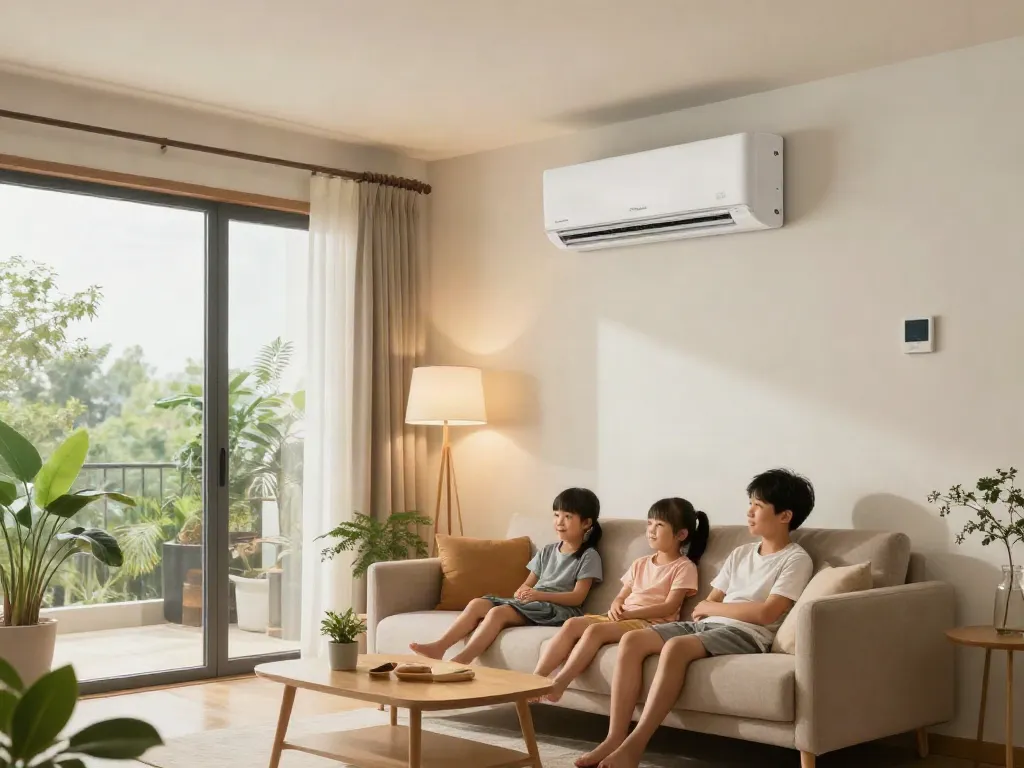
Understanding the 18000 BTU Mini Split Technology
The demand for efficient heating and cooling solutions has led to a surge in the popularity of mini-split systems, particularly those with an 18000 BTU capacity. These systems are versatile, highly efficient, and ideal for a variety of settings, making them a top consideration for homeowners and businesses alike. When exploring options, 18000 btu mini split units offer robust performance tailored to meet the needs of medium-to-large spaces.
What is a Mini Split System?
A mini-split system, also known as a ductless heating and cooling system, consists of two main components: an outdoor unit that houses the compressor and an indoor unit that distributes air. This configuration allows for independent temperature control in different areas of a home or office without the need for extensive ductwork. Mini splits are available in multi-zone configurations, providing flexibility and efficiency, especially in larger spaces where traditional HVAC systems may struggle.
Benefits of 18000 BTU Capacity
The 18000 BTU capacity is designed to efficiently cool or heat spaces up to 1,250 square feet, making it suitable for living rooms, larger bedrooms, and even open-plan family rooms. The benefits of this capacity include:
- Energy Efficiency: Mini splits generally have higher SEER (Seasonal Energy Efficiency Ratio) ratings compared to conventional HVAC systems, resulting in lower energy bills.
- Space-Saving Design: These systems are compact and can be mounted on walls or ceilings, freeing up floor space.
- Quiet Operation: Indoor units are designed for quiet performance, enhancing comfort without disruptive noise.
How Mini Splits Work: Key Components
Understanding the components of a mini-split system is crucial for effective use and maintenance. Key components include:
- Compressor: The heart of the mini-split, it pumps refrigerant through the system to facilitate heat exchange.
- Evaporator: Located in the indoor unit, it absorbs heat from the indoor air, cooling the space.
- Condenser: The outdoor unit that releases the absorbed heat into the outside air.
- Refrigerant Lines: Copper lines that connect the indoor and outdoor units, circulating refrigerant between them.
Installation Best Practices for 18000 BTU Mini Splits
Successful installation of a mini-split system is critical to its performance and longevity. Proper installation ensures that the system operates efficiently, ultimately providing optimal comfort and saving energy costs.
Choosing the Right Location for Installation
When planning installation, selecting the right location for both the indoor and outdoor units is essential. Indoor units should be placed in areas where they can effectively distribute air throughout the room. Consider factors such as:
- Room Layout: Ensure unobstructed airflow and placement away from direct sunlight.
- Accessibility: Choose locations that allow for easy maintenance access.
- Outdoor Unit Position: The outdoor unit should be installed on a level surface away from obstructions to maximize airflow.
Common Installation Mistakes to Avoid
Common pitfalls can lead to reduced efficiency and potential system failures. Avoid the following mistakes:
- Improper sizing of the unit for the space.
- Inadequate insulation on refrigerant lines.
- Ignoring local building codes and regulations during installation.
DIY vs Professional Installation: What You Need to Know
While some homeowners may consider DIY installation to save costs, hiring a professional is often recommended. Professionals ensure that the unit is properly sized, installed according to code, and calibrated for optimal performance. However, if you choose the DIY route, be sure to thoroughly research the installation process and follow manufacturer guidelines.
Maintenance Tips for Optimal Performance
Regular maintenance is critical for keeping your 18000 BTU mini split running efficiently. By incorporating routine upkeep, homeowners can extend the lifespan and performance of the system.
Routine Maintenance Checklist for Mini Splits
Adhering to a maintenance checklist helps ensure your mini split operates smoothly. Key maintenance tasks include:
- Cleaning or replacing air filters every 1-3 months.
- Inspecting and cleaning the evaporator and condenser coils annually.
- Checking the refrigerant levels to prevent system problems.
Signs Your 18000 BTU Mini Split Needs Repair
Identifying early signs of trouble can save time and money. Watch for:
- Unusual noises or vibrations from the unit.
- Inconsistent temperatures across different zones.
- Increased energy bills without a corresponding increase in usage.
Understanding Warranties and Lifespan
Most mini split systems come with a warranty covering parts for 5 to 10 years, depending on the manufacturer. Typically, with proper care and maintenance, these systems can last 15 years or more, making them a solid investment.
Energy Efficiency and Savings with 18000 BTU Mini Splits
Mini-split systems, particularly those with 18000 BTU capacity, are known for their energy efficiency, which translates into real savings on your utility bills.
Comparing Energy Ratings: SEER and EER
Understanding energy ratings is key to choosing an efficient system. SEER (Seasonal Energy Efficiency Ratio) measures cooling efficiency over a typical cooling season, while EER (Energy Efficiency Ratio) applies to specific temperatures. Higher ratings indicate better efficiency and can lead to significant cost savings.
Cost Savings on Utility Bills: Real-World Examples
For example, a well-maintained 18000 BTU mini split with a SEER rating of 20 can save homeowners an average of 30% on cooling costs compared to older units with lower ratings. This can translate to hundreds of dollars saved annually.
How to Maximize Energy Efficiency
To maximize the energy efficiency of your mini split:
- Regularly clean and maintain the unit.
- Ensure proper insulation in the home to prevent energy loss.
- Utilize programmable settings to adjust temperatures based on usage patterns.
Future Trends in Mini Split Technology
As technology evolves, mini split systems are becoming increasingly advanced, offering enhanced features that improve energy efficiency and user experience.
The Rise of Smart Mini Split Systems in 2026
The rise of smart home technology means that many mini split systems now come equipped with Wi-Fi capabilities, allowing for remote control and monitoring. Consumers can adjust settings via smartphone apps and integrate their systems with other smart devices, increasing convenience and savings.
Innovations in Energy Efficiency and Sustainability
Future mini split systems are likely to incorporate more sustainable refrigerants and enhanced insulation materials, further improving their energy efficiency and reducing environmental impact.
Market Predictions for Mini Split Systems
As more homeowners seek energy-efficient solutions, the mini split market is expected to grow significantly. Innovations, combined with rising energy costs, will drive the adoption of these systems in both residential and commercial settings.
What size room is best for an 18000 BTU mini split?
Typically, an 18000 BTU mini split is ideal for spaces between 550 to 1250 square feet, making it a versatile option for most living areas.
How does a mini split compare to traditional HVAC systems?
Mini splits provide more flexibility and are often more energy-efficient than traditional HVAC systems, especially in homes without ductwork.
What are the common issues with mini split systems?
Common issues can include refrigerant leaks, electrical problems, and inadequate maintenance, all of which can lead to decreased efficiency.
Can I install a mini split in a rental property?
Yes, mini splits are often ideal for rental properties since they don’t require extensive ductwork and can be easily removed if necessary.
What maintenance do mini splits require?
Routine maintenance includes cleaning filters, inspecting the system components, and ensuring proper refrigerant levels.