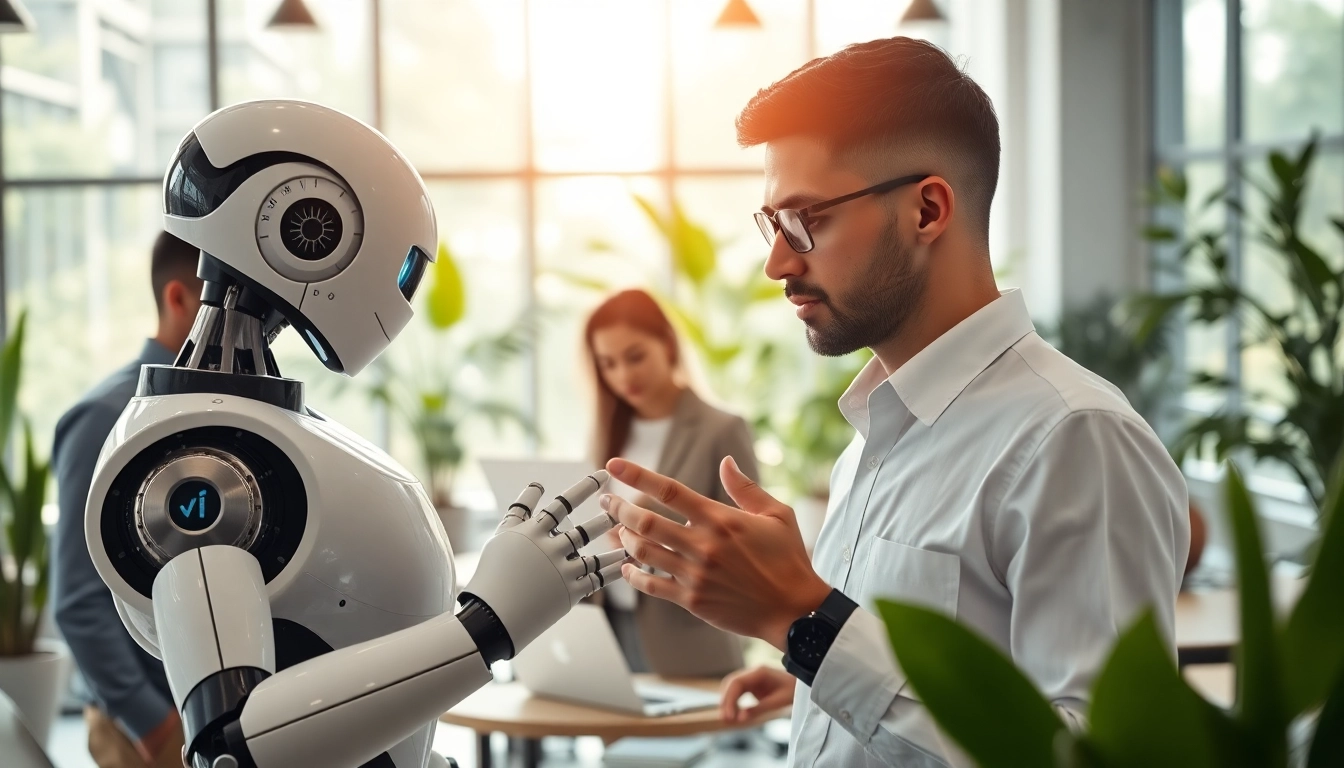
Understanding the Concept of AI Employee
Defining the AI Employee
The term AI Employee refers to a range of artificial intelligence systems designed to perform tasks traditionally handled by human employees. These can include chatbots, automated data analysis tools, virtual assistants, and more sophisticated AI agents that can learn and adapt over time. By integrating an AI Employee into an organization, businesses aim to enhance operational efficiency, reduce costs, and improve service delivery.
The Role of AI in Today's Workforce
AI plays a multifaceted role in modern workplaces, serving as both a support tool and a critical player in decision-making processes. Companies are leveraging AI for various applications, such as automating routine tasks, enhancing customer service, and even aiding in strategic planning. The rise of AI employees signifies a shift towards a hybrid workforce where both humans and machines work in tandem, allowing organizations to harness the strengths of each entity effectively.
Business Applications of AI Employee
AI Employees are being utilized across various sectors, showcasing their versatility and capability. In customer service, AI chatbots handle inquiries and assist users 24/7, significantly reducing wait times and increasing satisfaction. In HR, AI-driven analytics assist in talent acquisition and employee engagement, optimizing recruitment processes and predicting turnover. Furthermore, AI tools are being applied in finance for fraud detection and risk management, illustrating their importance in safeguarding organizational assets.
Benefits of Integrating AI Employee
Enhanced Productivity and Efficiency
One of the most compelling advantages of adopting AI Employees is the substantial boost in productivity. AI systems can work around the clock without the need for breaks, thereby handling repetitive tasks more swiftly than human employees. This not only accelerates workflow but also allows human workers to focus on more complex, creative tasks, leading to an overall increase in efficiency.
Cost-Effectiveness for Businesses
Integrating AI Employees into an organization can also result in significant cost savings. While there may be initial investments in technology and training, the long-term benefits often outweigh these costs. Companies can reduce labor expenses by automating low-level tasks that do not require human intervention, thus reallocating resources to more strategic initiatives that drive growth.
Improving Employee Satisfaction
AI Employees can contribute to a more satisfying work environment for human employees. By taking over mundane tasks, AI systems free up valuable time, allowing staff to engage in more meaningful work. Additionally, the implementation of AI tools can enhance communication and feedback mechanisms, thereby fostering a culture of collaboration and innovation.
Challenges and Considerations
Addressing Job Displacement Concerns
Despite its advantages, the implementation of AI Employees raises valid concerns regarding job displacement. Many fear that automation will lead to significant job losses; however, history suggests that while AI may replace certain roles, it also creates new opportunities that require human skills. Organizations must address these fears through transparent communication and by investing in retraining programs to equip employees for the future job landscape.
Ethical Considerations in AI Deployment
Deploying AI Employees introduces several ethical challenges. Issues such as algorithmic bias can lead to unfair treatment in decision-making processes, especially in hiring and performance evaluations. It is crucial for organizations to implement stringent guidelines and continuous monitoring to ensure the ethical use of AI technologies, safeguarding against bias and promoting fairness in all operations.
Data Privacy and Security Issues
AI systems often require access to large amounts of data, raising concerns about privacy and security. Businesses must prioritize data protection through robust cybersecurity measures and compliance with regulations, such as GDPR. Establishing clear data governance policies will not only protect sensitive information but also build trust with clients and employees.
Best Practices for Implementing AI Employee
Developing a Strategic Integration Plan
Successfully integrating AI Employees into an organization begins with a well-defined strategy. This includes identifying specific use cases, selecting the right AI technologies, and aligning them with organizational goals. It’s vital to assess current workflows to determine which processes will benefit most from automation and to develop a step-by-step implementation plan that includes timelines and benchmarks.
Training and Preparing Human Employees
As AI Employees take on more responsibilities, preparation and training for human staff become paramount. Organizations should provide training programs that equip employees with the necessary skills to work alongside AI systems effectively. Emphasizing lifelong learning will not only empower employees but also enhance their adaptability in an evolving job market.
Monitoring AI Performance and Feedback
Continuous monitoring and evaluation will help ensure that AI Employees are meeting their intended objectives. Utilizing performance metrics can provide insights into efficiency, accuracy, and user satisfaction. Collecting feedback from employees will also help identify areas for improvement and facilitate adjustments to the AI systems over time, ensuring they are aligned with organizational needs.
Future Trends of the AI Employee in Business
Innovations on the Horizon
The landscape of AI Employee applications is rapidly evolving, promising innovative solutions that will reshape business operations in the coming years. Technologies such as natural language processing and machine learning will continue to advance, enabling AI systems to handle increasingly complex tasks with greater efficacy. Embracing these innovations will be key for companies aiming to stay competitive in a dynamic business environment.
The Evolving Role of Human-AI Collaboration
As artificial intelligence continues to permeate the workplace, the focus will increasingly shift towards the collaboration between humans and AI systems. This partnership will allow for the harmonization of human creativity and emotional intelligence with AI's processing power and efficiency, leading to more effective decision-making and problem-solving capabilities.
Preparing for a Fully Integrated Workforce
Organizations must be proactive in preparing for a future characterized by fully integrated workforces that combine human intelligence with AI capabilities. This involves not only investing in technology but also creating an inclusive culture that values both human skills and technological advancements. Preparing for this future ensures organizations can adapt to changes more fluidly and sustain their competitive advantage.
Frequently Asked Questions
What is an AI employee?
An AI employee refers to AI systems designed to perform tasks typically done by human workers, such as chatbots, virtual assistants, and automated data processors. These systems enhance productivity and efficiency.
How does AI impact job roles?
AI can automate routine tasks, leading to changes in job roles. While it may displace some positions, it also creates new opportunities for roles that require human creativity and complex problem-solving skills.
What are the benefits of AI integration?
The integration of AI Employees benefits businesses by significantly enhancing productivity, reducing operational costs, and improving employee satisfaction by freeing human workers from mundane tasks.
How can organizations prepare for AI implementation?
Organizations can prepare for AI implementation by developing a clear integration strategy, training employees for collaboration with AI tools, and monitoring AI performance regularly for optimal results.
What ethical considerations are involved in AI use?
Ethical considerations in AI use include addressing algorithmic bias, ensuring data privacy, and promoting fairness. Companies should create guidelines to govern AI deployment responsibly and transparently.