
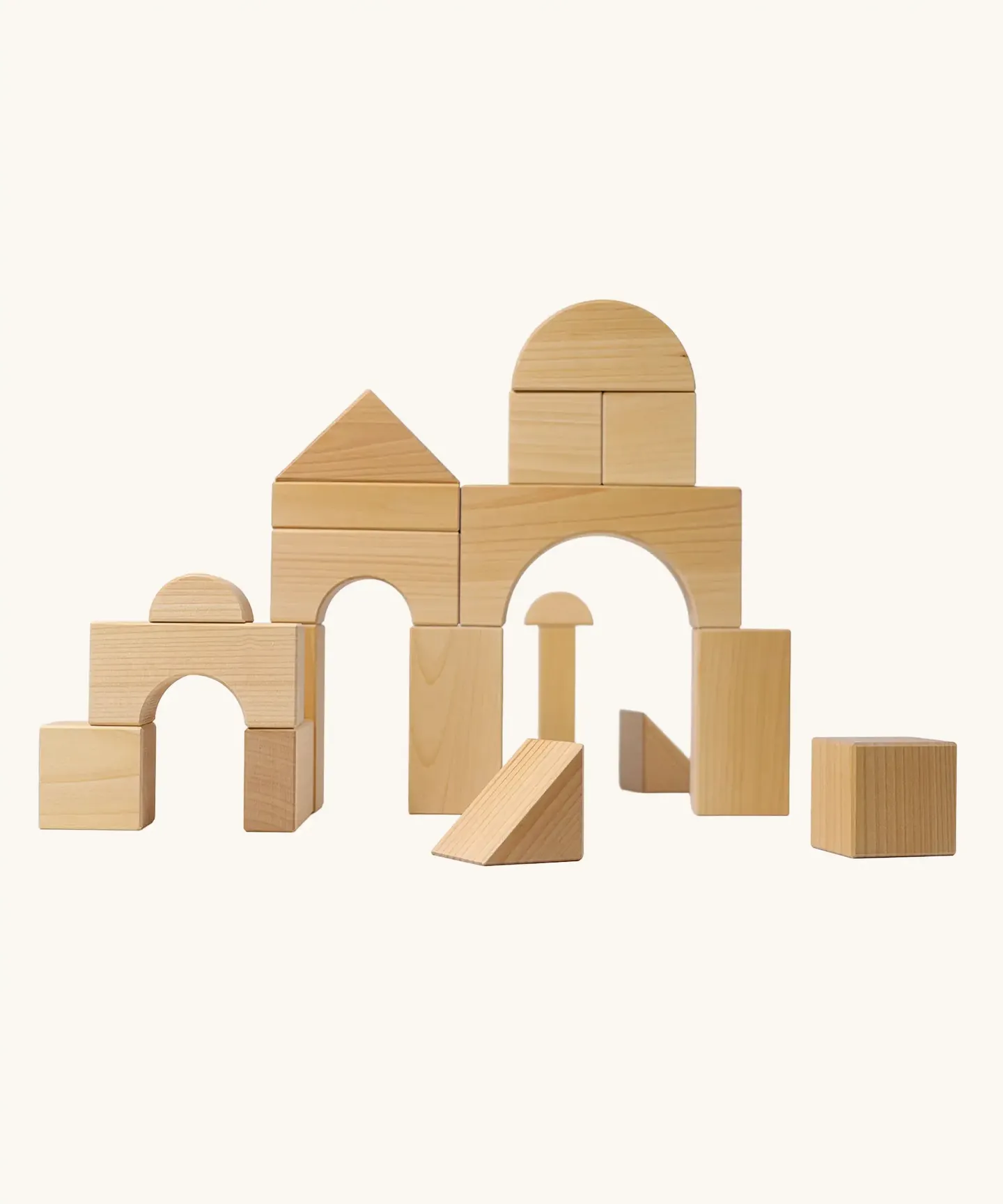
Giant Building Blocks are a wonderful way to give children exciting creative play without filling the room with loud electronic sounds. Giant Building Blocks encourage children to stack, build, imagine, and experiment using simple oversized pieces. For families, classrooms, daycare centers, and play areas, Giant Building Blocks provide an engaging screen-free activity that can keep children entertained while maintaining a calmer environment.
Why Choose Giant Building Blocks for Quiet Fun?
Children naturally enjoy activities that allow them to create something with their hands. However, many modern toys include sounds, music, flashing lights, and electronic effects. While these features can be entertaining, they are not always suitable for every situation.
Giant Building Blocks offer a different approach. Instead of depending on batteries or programmed sounds, these construction toys rely on imagination. Children decide what to build, how large it should be, and what story they want to create around it.
This makes oversized building blocks particularly useful when parents want children to enjoy active play without excessive noise.
A Screen-Free Entertainment Option
Screen-free activities can encourage children to interact with their surroundings and use their imagination. Building is naturally open-ended, meaning there is no fixed storyline or predetermined outcome.
A child can construct a simple tower one day and transform the same pieces into a castle, garage, bridge, or spaceship the next day. This variety helps prevent the activity from becoming repetitive.
Fun Without Electronic Sounds
Giant Building Blocks can provide hours of entertainment without requiring music, sound effects, or digital controls. Children remain actively involved because they are responsible for every part of the construction process.
This is especially beneficial in homes where parents want quieter play during work hours, reading time, or relaxing family periods. For more information about large building blocks for kids, explore their features, benefits, age suitability, and role in encouraging imaginative and educational play.
Creative Possibilities With Giant Building Blocks
One of the biggest advantages of large construction blocks is their flexibility. The same set can support many different games and learning activities.
Build Towers and Structures
A classic activity is building the tallest stable tower possible. Children can experiment with different foundations and learn how positioning affects stability.
They may discover that a wider base creates better support or that placing heavy pieces too high can cause a structure to fall. These simple experiences introduce early engineering concepts in a playful way.
Create Imaginary Buildings
Children can construct houses, shops, schools, hospitals, castles, and other imaginative spaces. Once a structure is complete, they can create stories involving the people or characters who live there.
This combination of construction and storytelling supports language development, creativity, and imaginative thinking.
Design Roads and Bridges
Older children can use large blocks to create road systems, bridges, tunnels, and miniature communities. They can plan how different structures connect and decide where vehicles or imaginary characters should travel.
These activities introduce concepts related to planning, balance, design, and spatial relationships.
Educational Benefits of Giant Building Blocks
Quiet play can be highly educational. Children learn through experimentation, observation, and problem-solving while constructing different designs.
Developing Problem-Solving Skills
Construction does not always go according to plan. A tower may collapse, a bridge may not support another block, or a particular shape may not fit where the child expects.
These challenges encourage children to think about what went wrong and try a different approach. This develops persistence and flexible thinking.
Strengthening Spatial Awareness
Building activities help children understand concepts such as height, width, distance, direction, position, and balance.
Giant Building Blocks make these concepts easy to explore because children can physically move and arrange large pieces. They can immediately see how changing one part of a structure affects the rest.
Encouraging Motor Development
Picking up, carrying, stacking, and positioning blocks involves physical coordination. Depending on the size and weight of the pieces, construction activities can engage both fine and gross motor skills.
Children practice controlling their movements while learning how to place objects accurately.
Giant Building Blocks for Different Indoor Settings
Large construction toys are not limited to family playrooms. They can be incorporated into many indoor environments.
At Home
Parents can create a dedicated construction corner where children can play independently. A small collection of blocks can be placed in a basket or storage container so children can easily access them.
For rainy days, weekends, or screen-free afternoons, Giant Building Blocks can provide an activity that is both entertaining and productive.
In Classrooms
Teachers can introduce construction stations where children work individually or in small groups. Building challenges can be connected to lessons about mathematics, science, architecture, or storytelling.
For example, students might be asked to build a bridge that connects two areas or create a structure using a limited number of pieces.
In Daycare and Play Centers
Daycare providers can use oversized construction pieces during free-play periods. Children can explore their creativity while practicing sharing and cooperation.
Giant Building Blocks can also encourage children to communicate with one another. They may discuss which pieces they need, decide how to organize a project, and work together toward a shared goal.
How to Keep Block Play Safe and Peaceful
A quiet construction activity still requires thoughtful organization. Choose pieces that are appropriate for the children's ages and abilities.
Select Child-Friendly Materials
Look for blocks made from durable, child-appropriate materials with smooth edges and surfaces. Lightweight options can be easier for younger children to handle.
Always follow the manufacturer's age recommendations and supervision instructions.
Create Enough Building Space
Children need sufficient floor space to construct comfortably. A dedicated area can help prevent blocks from being scattered throughout the room.
A soft play mat or carpet can also create a comfortable construction surface and help reduce the sound produced when pieces are placed down.
Establish Simple Play Rules
Children can be taught to place blocks gently rather than throwing or dropping them. Simple rules such as “build carefully,” “share the pieces,” and “clean up together” can make the experience safer and more enjoyable.
Making Giant Building Blocks More Engaging
Although the blocks are simple, adults can introduce creative challenges to expand the possibilities.
Introduce Building Challenges
Ask children to build something using only five pieces, create the strongest tower they can, or construct a bridge between two objects.
These challenges give children a goal while still allowing them to determine their own solutions.
Combine Building With Storytelling
After constructing a structure, encourage children to create a story around it. A castle could become the home of imaginary characters, while a bridge could become part of an adventure.
Giant Building Blocks become more than construction pieces when children connect their creations with imaginative narratives.
Frequently Asked Questions
1. Are Giant Building Blocks really quiet?
They are generally much quieter than electronic toys because they do not depend on built-in music, voices, or sound effects. Some noise can still occur when blocks are moved or stacked.
2. What can children build with large blocks?
Children can build towers, houses, castles, bridges, roads, vehicles, walls, animals, and imaginary cities. Their open-ended design allows countless possibilities.
3. Are Giant Building Blocks educational?
Yes. Construction play can support creativity, spatial awareness, coordination, planning, problem-solving, communication, and persistence.
4. Can children play with Giant Building Blocks together?
Absolutely. Small-group construction can encourage cooperation, sharing, communication, and teamwork while children work toward a common design.
5. How do I make block play quieter?
Provide a carpeted or padded building area, encourage children to place pieces gently, and avoid throwing or dropping blocks. Choosing lightweight materials can also help reduce impact noise.
Conclusion
Giant Building Blocks demonstrate that children's play does not need loud sounds or electronic effects to be exciting. With oversized construction pieces, children can build imaginative worlds, solve practical problems, develop motor skills, and explore early engineering concepts at their own pace. Whether used at home, in classrooms, daycare centers, or indoor play spaces, these versatile building toys provide meaningful entertainment while helping maintain a more peaceful atmosphere. For parents and educators looking for creative, screen-free fun, Giant Building Blocks offer an excellent balance of imagination, learning, movement, and quiet enjoyment.