Understanding Fiber Optic Connectors
Fiber optic connectors are essential components in the telecommunications industry, facilitating high-speed data transmission through fiber optic cables. Unlike traditional electrical connections, these connectors utilize light to transmit information, making them ideal for applications requiring rapid and reliable connectivity. As the demand for advanced telecommunications continues to rise, understanding the types, benefits, and best practices concerning fiber optic connectors has never been more critical. When exploring options, fiber optic connectors provide comprehensive insights into the technology that powers modern networks.
What are Fiber Optic Connectors?
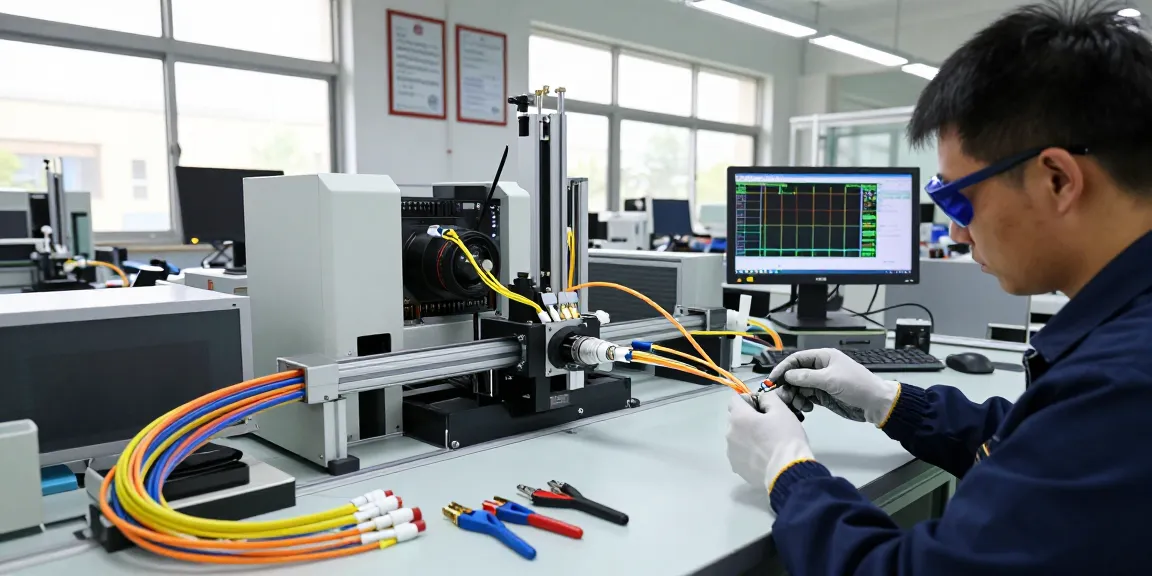
Fiber optic connectors are devices used to join fiber optic cables to transmit light signals. These connectors align the fiber strands to ensure minimal loss of signal strength and maximum transmission clarity. Fiber optic connectors come in various forms, tailored for different applications, environments, and standards. The primary function is to terminate fiber optic cables, allowing for connections between various network components, including data centers, telecommunication infrastructure, and local area networks (LANs).
Types of Fiber Optic Connectors in Use
Several types of fiber optic connectors exist, each designed to meet specific requirements. Some of the most commonly used types include:
- SC (Subscriber Connector): Known for its push-pull design, the SC connector is widely used for its low loss and reliable performance.
- LC (Lucent Connector): Featuring a smaller form factor, LC connectors are favored in high-density applications, providing excellent space efficiency.
- ST (Straight Tip): A cylindrical connector that is often used in network patch panels, ST connectors are easy to connect and disconnect.
- MTP/MPO (Multi-Fiber Push-On): Designed for high-capacity applications, these connectors can terminate multiple fiber strands simultaneously.
Key Benefits of Using Fiber Optic Connectors
The advantages of using fiber optic connectors are numerous. These connectors enable:
- High Data Transmission Speeds: Capable of delivering data at rates exceeding 100 Gbps, fiber optic connectors are ideal for bandwidth-intensive applications.
- Reduced Signal Loss: With proper installation and alignment, these connectors minimize signal degradation, ensuring clarity and reliability in communication.
- Improved Security: Fiber optic networks are less susceptible to tapping compared to copper networks, enhancing data security.
- Durability: Fiber optics are resistant to electromagnetic interference and are generally more robust than traditional wiring.
Challenges in Fiber Optic Procurement
While the advantages of fiber optic connectors are clear, procurement can present several challenges that organizations must navigate to ensure seamless integration and performance.
Common Procurement Obstacles
Procurement of fiber optic connectors can be fraught with difficulties, including:
- Vendor Reliability: Finding suppliers who consistently deliver quality components is a significant concern for many businesses.
- Cost Fluctuations: The market for fiber optic components can be volatile, leading to unpredictable pricing.
- Compatibility Issues: Ensuring that connectors are compatible with existing equipment and systems can complicate procurement.
Misconceptions about Fiber Optic Connectors
There are several misconceptions surrounding fiber optic connectors that can hinder effective procurement:
- Cost: Many assume that fiber optic solutions are prohibitively expensive; however, advancements in technology have made them more accessible.
- Complexity: Some believe that installing fiber optic systems requires specialized knowledge, but with the right resources, it can be straightforward.
Regulatory and Compliance Issues
Organizations must also be aware of various regulatory considerations when procuring fiber optic connectors. Compliance with industry standards, such as ISO certifications and RoHS requirements, is essential to ensure product quality and safety.
Streamlining Procurement with FiberElectronics PCPP
FiberElectronics offers a Preferred Customer Pricing Program (PCPP) tailored to simplify the procurement process and enhance the user experience for businesses relying on fiber optic technology. This program provides a structured approach to accessing high-quality components while optimizing costs.
Overview of the Preferred Customer Pricing Program
The Preferred Customer Pricing Program is designed to provide businesses with a seamless procurement experience. Members gain access to:
- Locked-In Pricing: Pre-negotiated rates based on annual run rates help organizations better forecast their budgets.
- Zero-Cost Inventory Management: FiberElectronics handles inventory levels, reducing the burden on businesses and removing upcharges.
- Same-Day Fulfillment: Timeliness is critical in the telecommunications field, and immediate shipping ensures deadlines are met.
Benefits of Joining the PCPP
Joining the PCPP offers numerous advantages, including:
- Cost Efficiency: Reduced procurement costs lead to improved margins for businesses utilizing fiber optic connectors.
- Streamlined Processes: Eliminate the need for repetitive RFQ and purchase order processes, allowing teams to focus on core activities.
- Enhanced Vendor Relationships: Establishing a partnership with a reputable supplier can foster trust and reliability.
Success Stories from Industry Leaders
Numerous industry leaders have successfully implemented FiberElectronics' components to enhance their networks. For example, major companies such as NYSE and Facebook have depended on FiberElectronics connectors to maintain their high-performance communication needs. These success stories inspire confidence in the capabilities and reliability of the products offered.
Future Trends in Fiber Optic Technology
The landscape of fiber optic technology is continuously evolving, driven by innovations designed to meet the growing demands of data transmission and reliability.
Emerging Innovations in Fiber Optic Connectors
New developments in fiber optic connectors are revolutionizing the industry, with trends focusing on:
- Increased Density: As data centers grow larger, there is a need for denser connectivity solutions that save space without sacrificing performance.
- Enhanced Durability: Innovations in materials and design improve the longevity of connectors, making them suitable for more challenging environments.
Impact of AI on Fiber Optic Networks
Artificial Intelligence (AI) is beginning to play a pivotal role in optimizing fiber optic networks. AI algorithms can predict failure points, enhance routing decisions, and improve maintenance schedules, leading to greater network efficiency and reliability.
Predictions for the Fiber Optic Market by 2026
Experts predict that the fiber optic market will continue its rapid growth, driven by an explosion in data usage and the adoption of 5G technologies. By 2026, the demand for fiber optic connectors is expected to soar, with innovations paving the way for more efficient and cost-effective solutions.
Best Practices for Fiber Optic Procurement
To navigate the complex landscape of fiber optic procurement successfully, businesses should adopt best practices that streamline their processes and maximize return on investment.
Strategies for Reducing Costs
Reducing costs in fiber optic procurement can be achieved through:
- Bulk Purchasing: Buying in large quantities can lead to significant discounts from suppliers.
- Long-Term Contracts: Establishing long-term agreements with manufacturers ensures stability in pricing and supply.
Optimizing Inventory Management
Effective inventory management is crucial for ensuring that the right components are on hand when needed. Strategies include:
- Just-In-Time Inventory: Implementing JIT principles can reduce excess stock while ensuring timely availability.
- Regular Audits: Conducting frequent inventory audits helps maintain accuracy and identifies obsolescence risks.
Measuring Procurement Success and Performance
To assess the effectiveness of procurement strategies, organizations should track key performance indicators (KPIs), such as:
- Cost savings achieved through preferred pricing programs.
- On-time delivery rates and fulfillment efficiency.
- Quality and compliance metrics for received products.
How to Choose the Right Supplier?
Selecting a reliable supplier for fiber optic connectors involves evaluating:
- Product Quality: Ensure that suppliers meet or exceed industry standards for quality assurance.
- Customer Support: Look for partners who offer robust support throughout the procurement process.
What are the Industry Standards for Quality Assurance?
Industry standards such as ISO 9001 and TL 9000 provide frameworks for maintaining quality in fiber optic components. Additionally, RoHS compliance ensures that products are free from hazardous substances, further enhancing product safety and marketability.